Comprehensive Introduction to HDPE Sheet (High - Density Polyethylene Sheet)
I. Definition and Basic Information
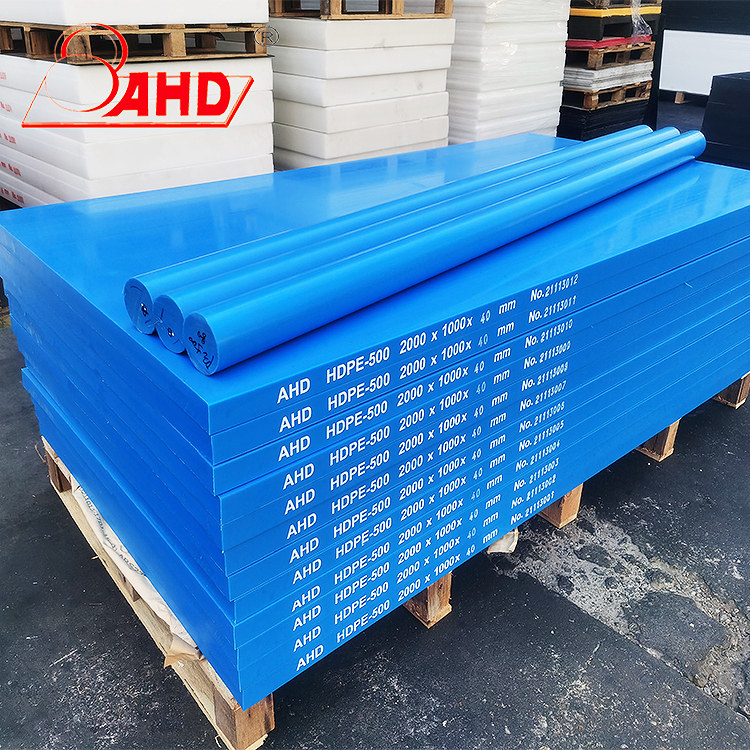
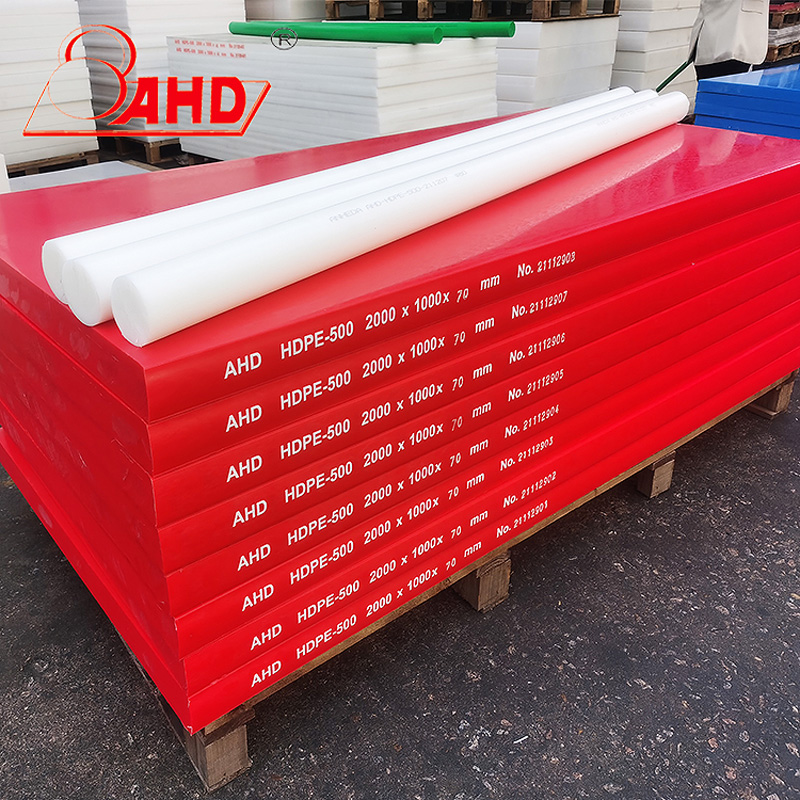
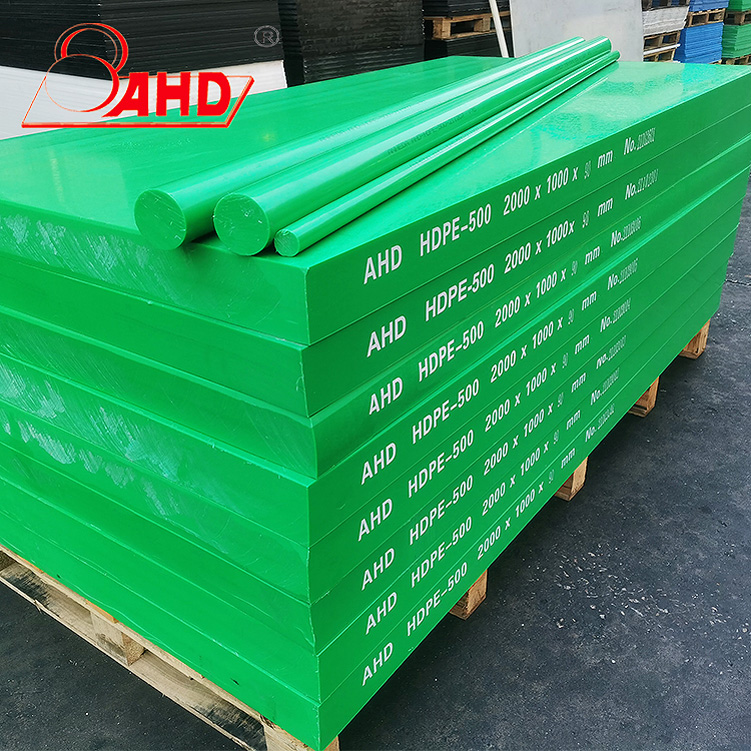
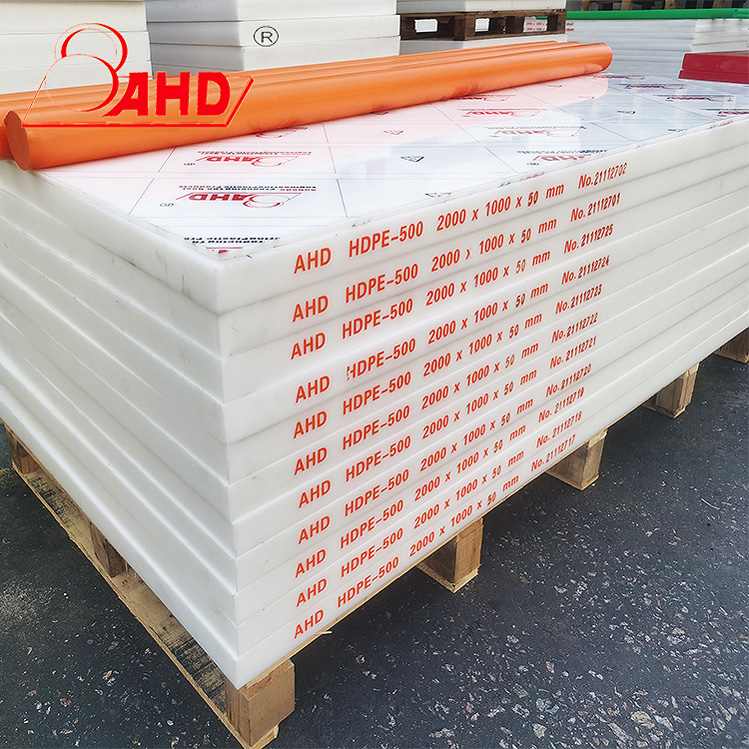
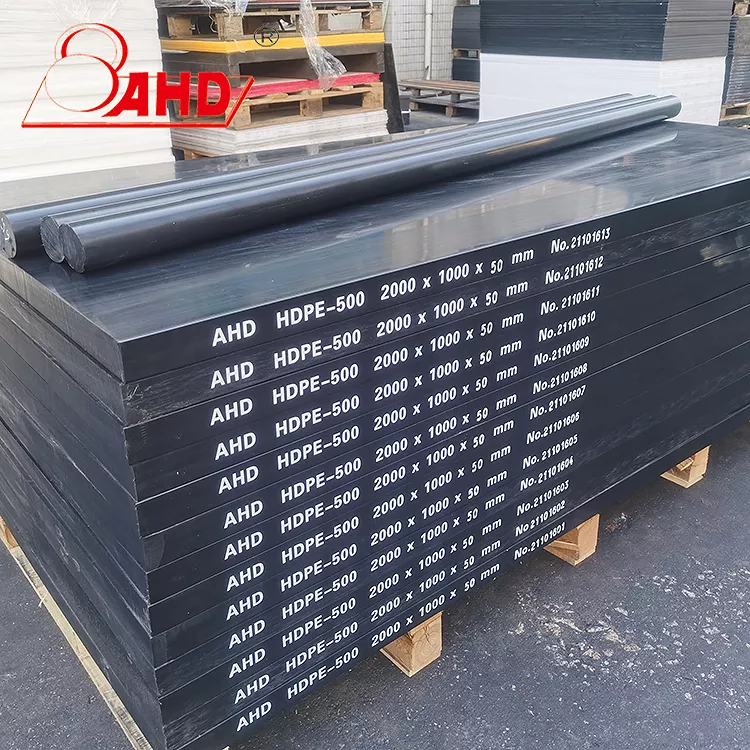
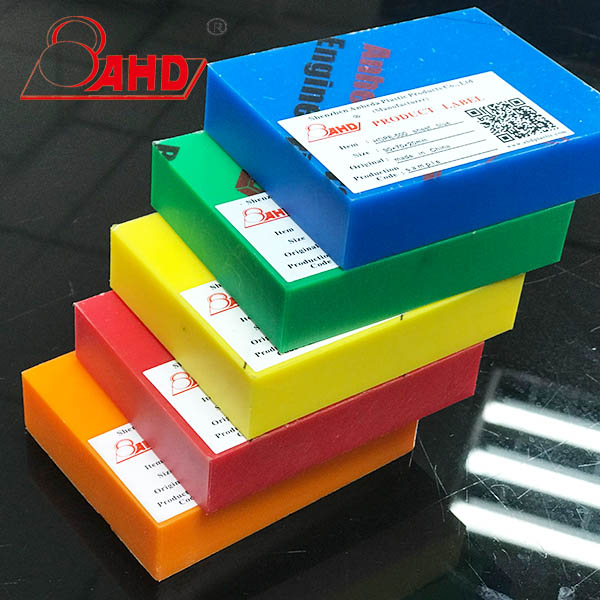
HDPE Sheet is a sheet made of high - density polyethylene. It is a thermoplastic resin material, polymerized from ethylene under low - pressure conditions (generally 1 - 100 atmospheres). This polymerization process makes the HDPE molecular chains arranged closely with a high degree of crystallinity, endowing the material with a series of excellent properties.
II. Physical Properties
(I) Density and Mechanical Properties
- High - density Characteristics
- The density of HDPE Sheet is usually between 0.941 - 0.965 g/cm³. Compared with low - density polyethylene, it has a higher density. This characteristic gives it excellent mechanical strength and hardness.
- For example, in terms of pressure resistance, it can withstand large static and dynamic loads. In the production of industrial shelf partitions, HDPE Sheet can easily bear heavy goods without deforming as easily as some low - density materials.
- Wear Resistance
- Its wear - resistant performance is quite outstanding due to its close molecular structure and high crystallinity. During the friction process, the molecules on the material surface can effectively resist wear.
- For instance, in the application of conveyor belts, HDPE Sheet, as the surface material of the conveyor belt, can withstand the friction of materials for a long time, reducing the wear of the conveyor belt and extending its service life.
(II) Thermal Properties
- Thermal Stability
- HDPE Sheet has good thermal stability within a certain temperature range. Its melting point is generally between 130 - 137℃. Below the melting point, it can maintain good physical properties.
- For example, in some applications that require short - term exposure to high - temperature environments, such as the heat - sealing process in the food packaging industry, HDPE Sheet can withstand brief high temperatures without deforming or being damaged.
- Low - temperature Toughness
- It has excellent low - temperature toughness. Even at relatively low temperatures (e.g., around - 50℃), it can still maintain good flexibility and will not break easily like some brittle materials.
- This makes it very advantageous in cold - environment applications. For example, in the laying of outdoor pipelines in northern regions, pipelines made of HDPE Sheet can still transport liquids normally in winter under low - temperature conditions.
III. Chemical Properties
(I) Chemical Stability
- Acid and Alkali Resistance
- HDPE Sheet has good resistance to most acids and alkalis. Whether it is common inorganic acids (such as hydrochloric acid, sulfuric acid) or organic acids, as well as various alkali solutions, it can remain stable.
- In the application of chemical storage containers, it can safely store acidic or alkaline chemicals, reducing the risk of container corrosion.
- Solvent Resistance
- For many organic solvents, such as alcohols, ketones, and hydrocarbons, HDPE Sheet also shows good resistance.
- This makes it widely used in industrial production environments involving organic solvents or in the manufacture of laboratory equipment. For example, it can be used to make reaction tanks in chemical experiments.

IV. Weather Resistance
- UV Resistance
- HDPE Sheet can enhance its UV resistance by adding UV stabilizers. These UV stabilizers can absorb or reflect ultraviolet rays, preventing the damage of ultraviolet rays to the molecular chains of the material.
- In the application of outdoor building decoration materials, such as exterior wall cladding, HDPE Sheet treated with UV protection can maintain color stability and physical properties when exposed to sunlight for a long time, without obvious fading, embrittlement, etc.
- Antioxidant Performance
- It contains antioxidants that can effectively resist oxidation. Antioxidants can capture free radicals generated during the oxidation process and slow down the aging rate of the material.
- For example, outdoor trash cans made of HDPE Sheet can still maintain good strength and appearance in the long - term exposure to wind and sunlight environment, and will not be quickly damaged due to oxidation.
V. Processability
- Diverse Processing Methods
- HDPE Sheet can be made into products of various shapes and sizes through a variety of processing methods. Common processing methods include cutting, bending, welding, thermo - forming, etc.
- When manufacturing complex - shaped industrial parts, for example, HDPE Sheet can be processed into equipment casings with special curved surfaces through thermo - forming to meet the design requirements of different equipment.
- Easy Processing Operation
- Its processing process is relatively simple and does not require complex equipment or special processing environments. Compared with some difficult - to - process materials, HDPE Sheet has lower energy consumption and higher processing efficiency during processing.
- For example, in small - scale plastic product factories, HDPE Sheet can be processed using ordinary cutting and welding equipment to quickly produce products that meet market demands.

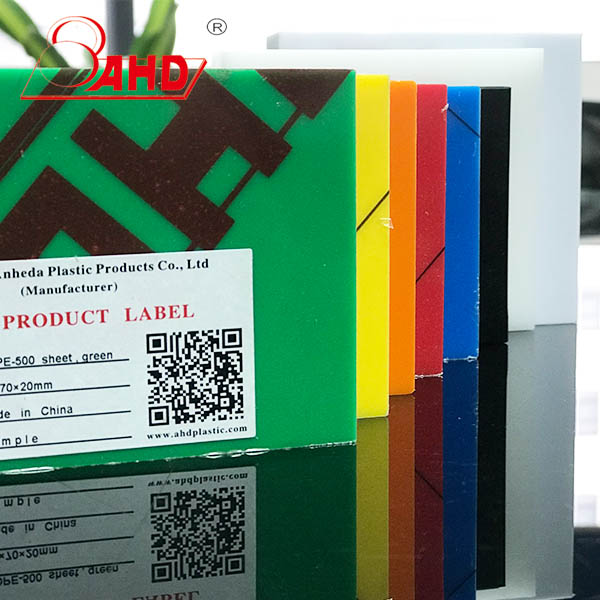
VI. Application Fields
- Construction Industry
- It is used to make exterior wall decorative panels, roof waterproofing materials, insulation materials, etc. Its good weather resistance and physical properties can effectively protect buildings and enhance the aesthetics of buildings at the same time.
- Chemical Industry
- It is widely used in the manufacture of chemical equipment, storage containers, pipelines, etc. With its chemical stability and mechanical properties, it ensures the safety and stability of the chemical production process.
- Agricultural Field
- It can be used to make greenhouse sheds, irrigation pipes, breeding ponds, etc. It provides a suitable environment for crops and breeding organisms and can resist various chemicals and climate changes in the agricultural production environment.
- Environmental Protection Field
- It plays an important role in landfill liners, equipment components of sewage treatment plants, etc. Its chemical stability and corrosion resistance help prevent environmental pollution.
- Packaging Industry
- It is used to make various packaging materials, such as pallets, pads, etc. Its good physical properties can effectively protect products from damage during transportation and storage.
- Electronics and Electrical Appliance Industry
- It can be processed into the casings and insulating parts of electronic devices. Utilizing its electrical insulation properties and good processability, it meets the manufacturing requirements of electronic and electrical products.
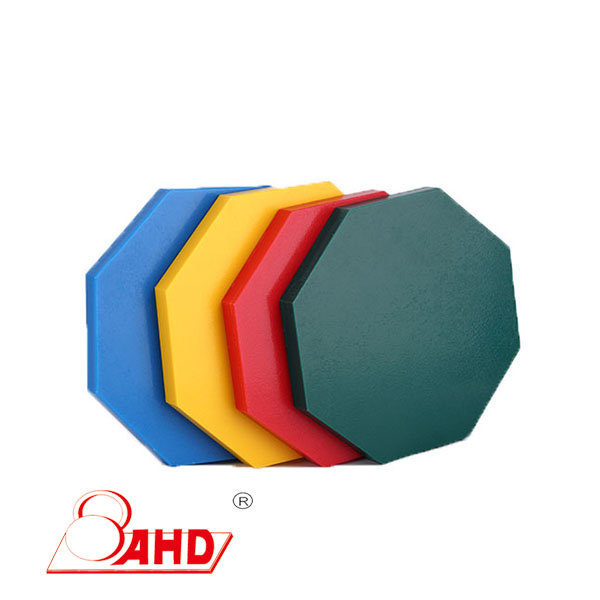

VII. Environmental Characteristics
- Recyclability
- HDPE Sheet is a recyclable material. After the end of its service life, it can be recycled and processed into new products, reducing the pressure on the environment.
- For example, waste HDPE Sheet packaging materials can be recycled and made into new plastic products, such as plastic trash cans or plastic pipes.
- Low Pollution
- During the production process, compared with some traditional materials, HDPE Sheet generates relatively less pollutants. Its production energy consumption is also relatively low, which is in line with modern environmental protection concepts.