News
-
ABS Sheet: Innovative Material Leads the New Trend of Industry Transformation
In today's era of rapid technological development, material innovation is always the key force driving the progress of various industries. Recently, a new material named ABS Sheet has emerged and quickly caused a strong reaction in the industry. ABS Sheet, full name acrylonitrile-butadiene-styrene sheet, is an advanced material that combines multiple excellent properties. It has outstanding strength. Whether under heavy pressure or facing external impact, it can show excellent stability. Its high toughness makes ABS Sheet not easily broken or damaged in various complex usage scenarios, providing a solid guarantee for the reliability of products. In the field of industrial manufacturing, ABS Sheet is a shining star. Its excellent processing performance enables manufacturers to easily shape it into various complex shapes through multiple processes such as injection molding and extrusion to meet the unique design needs of different products. From precision electronic equipment parts to large industrial machinery casings, ABS Sheet can be perfectly adapted, injecting new vitality into the upgrading of industrial products. In daily life, the application of ABS Sheet is also everywhere. It can be made into stylish and beautiful household items, such as uniquely shaped storage boxes and delicate decorations. These products not only have good durability and can withstand the test of time, but also add a modern and artistic atmosphere to the home environment. In terms of automotive interiors, ABS Sheet creates a comfortable driving and riding space for drivers and passengers with its high-quality texture and safety performance. Its characteristics of wear resistance and high temperature resistance make the automotive interior still maintain a good state during long-term use. In addition, ABS Sheet also has significant environmental protection advantages. It can be recycled and reused, greatly reducing the consumption of natural resources and environmental pollution. Under the background of global advocacy of sustainable development, this characteristic of ABS Sheet undoubtedly wins more attention and favor. With the continuous progress of technology and the continuous growth of market demand, as an innovative material, ABS Sheet will surely play a more important role in various fields in the future. It will not only lead the industry to a new height but also bring more convenience and surprises to people's lives. We have reason to believe that the emergence of ABS Sheet will open a new material era. WA: +86 13622307908 EM: sales002@anheda.com
2024 10/23
-
HDPE Sheet: Innovation-Driven, Reshaping the Development Pattern of Multiple Fields
On Wednesday, October 16, 2024. Under the continuous evolution of global material technology, HDPE Sheet (high-density polyethylene sheet) is strongly reshaping the development pattern of multiple fields with its powerful performance advantages and continuous innovation breakthroughs. As a high-performance engineering material, HDPE Sheet has remarkable characteristics. It has extremely high strength and can withstand huge pressure and impact force, remaining stable in harsh working environments. Its excellent wear resistance enables it to be durable even in application scenarios with frequent friction. At the same time, its outstanding corrosion resistance allows it to resist the erosion of various chemical substances such as strong acids and alkalis, greatly extending its service life. In the industrial field, HDPE Sheet has become an indispensable key material. From parts of heavy machinery to protective casings of precision instruments, it can play a key role. Its application in the chemical industry is even more extensive. It is used to manufacture equipment such as storage tanks and reaction kettles, which not only ensures the safe storage and transportation of chemical substances but also reduces equipment maintenance costs. In the construction field, HDPE Sheet provides a reliable solution for large-scale construction projects with its excellent waterproof, moisture-proof and heat insulation properties. Whether it is an underground waterproof project or a roof insulation system, its figure can be seen. In agriculture, HDPE Sheet also shows great potential. Used to make greenhouse materials, it can effectively adjust temperature and humidity and create a suitable growth environment for crops. Breeding ponds constructed with HDPE Sheet are not only easy to clean and disinfect but also can prevent water leakage and improve breeding efficiency. Technological innovation is the core driving force for the continuous development of HDPE Sheet. Advanced production processes and technologies are constantly emerging, continuously improving the quality and performance of products. At the same time, R & D personnel are committed to developing more environmentally friendly and sustainable HDPE Sheet products to meet the market's demand for green materials. Looking to the future, HDPE Sheet will continue to forge ahead on the road of innovation. With the continuous progress of technology and the continuous expansion of application fields, it will surely bring more surprises and changes to multiple fields such as industry, construction, and agriculture and become an important force in promoting the sustainable development of the global economy. WA: +8613622307908 EM: sales002@anheda.com
2024 10/16
-
ABS Sheet: Led by Technological Innovation, Pioneering a New Realm of Diverse Applications
Wednesday, October 16, 2024. In today's era of rapid technological development, ABS Sheet (acrylonitrile-butadiene-styrene plastic sheet) is becoming a shining star in the field of materials with its excellent performance and continuous innovative applications. I. Key Roles in Multiple Fields Electronics and Electrical Appliances Field Creates sturdy casings and clear panels for precision electronic products, resists collisions and wear, and ensures stable operation and long service life. Good insulation performance provides a strong guarantee for the safety of electronic equipment. Automotive Manufacturing Industry Widely used in the production of interior parts such as instrument panels and door trim panels, giving the interior of the car a stylish appearance and having good wear resistance and chemical corrosion resistance. Plays an important role in automotive exterior structural parts. Its lightweight feature helps reduce the overall weight of the car and improve fuel efficiency. Toy Manufacturing Field Creates countless creative and fun toys for children with rich and diverse colors and excellent processability, meeting various creative needs of designers. II. Technological Innovation Promotes Development Emergence of Advanced Production Processes and Technologies High-precision extrusion molding technology and intelligent injection molding processes make the quality more stable and reliable, and the dimensional accuracy is higher. Exploration of New Material Formulations Adding special reinforcing agents and flame retardants to improve strength and flame retardant properties to meet special needs of different industries. Full Embodiment of Environmental Protection Concept Adopting environmentally friendly raw materials and production processes to reduce pollution and waste of resources. Recyclable ABS Sheet is favored, contributing to sustainable development. III. Future Outlook In the field of smart homes, used to make casings and control panels for smart devices, bringing a convenient and comfortable living experience combined with advanced electronic technology. In the field of medical equipment, its hygienic and safe performance makes it an ideal material for making casings and accessories for medical devices. With the development of 3D printing technology, it is expected to play an important role in the field of personalized customization and provide unique products for consumers. In short, as an innovative material with great potential, ABS Sheet is playing an important role in promoting economic development and social progress with its excellent performance and continuously expanding application fields. WA:+8613622307908 EM:sales002@anheda.com
2024 10/16
-
PC Sheet: High-Performance Material Leading Future Innovation
Wednesday, October 16, 2024. In the field of materials, PC Sheet (polycarbonate sheet) is becoming the focus of the industry with its excellent performance and broad application prospects. PC Sheet has extremely high strength and toughness and can withstand strong impacts without being easily broken. Its good light transmittance makes it play an important role in fields such as building lighting and greenhouse. At the same time, PC Sheet also has excellent weather resistance and can resist the erosion of harsh environments such as ultraviolet rays, high temperatures, and severe cold, maintaining stable performance for a long time. In the field of electronics and electrical appliances, PC Sheet can be used to make the casings and displays of products such as mobile phones and computers, providing solid protection for equipment. In automobile manufacturing, it is applied to parts such as car headlights and windows, which is not only beautiful and generous but also safe and reliable. With the continuous progress of technology, the production process of PC Sheet is also constantly innovating and improving. New extrusion and injection molding technologies make the quality of PC Sheet more stable and the performance more outstanding. At the same time, the in-depth promotion of environmental protection concepts also prompts PC Sheet to pay more attention to energy conservation and emission reduction in the production process to achieve sustainable development. In the future, PC Sheet will continue to exert its advantages and continuously expand application fields, bringing more convenience and innovation to people's lives. WA:+8613622307908 EM: sales002@anheda.com
2024 10/16
-
Performance Advantages of POM Rod and Sheet for Precision Mechanical Machining
Precision mechanical machining demands industrial materials with ultra-stable physical properties, high machining accuracy and long-term operational reliability. In automated equipment, precision instruments and mechanical transmission systems, tiny dimensional errors or material wear can lead to equipment failure and reduced production efficiency. Traditional plastic materials often suffer from poor rigidity, large thermal deformation and severe friction loss, while metal parts face high costs and heavy weight issues. Therefore, high-performance engineering plastics have become the optimal choice to meet the high-standard production needs of modern precision machinery manufacturing. Pom Material stands out in precision machining fields thanks to its unique balanced mechanical properties. It features high surface hardness, excellent rigidity and outstanding anti-deformation ability, which perfectly solves the common defects of soft texture and easy warping of ordinary plastics. During fine turning, drilling, milling and grooving processes, this high-performance material can maintain stable structural integrity, avoiding edge chipping, surface scratches and dimensional deviation. Its low shrinkage rate ensures that machined parts can fully meet the tolerance standards of precision mechanical components, suitable for manufacturing high-precision transmission parts and positioning accessories. Low friction and superior wear resistance are core competitive strengths for materials used in mechanical moving parts. derlin rod is widely applied in precision mechanical machining due to its ultra-low friction coefficient and excellent anti-fatigue performance. Unlike ordinary plastic rods that wear rapidly under frequent reciprocating operation, it can maintain stable surface smoothness and structural accuracy during long-term continuous friction. It is commonly used to process precision gears, bearings, guide rails and limit pins, effectively reducing equipment operating noise, lowering component wear rate and extending the service life of mechanical equipment. Dimensional stability under variable temperature environments is another key indicator for evaluating precision machining materials. Most engineering plastics are sensitive to temperature changes, which easily cause expansion and contraction and affect the assembly accuracy of finished parts. Polyoxymethylene Copolymer effectively overcomes this shortcoming, with extremely low thermal expansion coefficient and excellent heat resistance. It can maintain stable size and mechanical performance in conventional industrial temperature fluctuation environments, ensuring the precise matching of mechanical parts during assembly and operation. In addition to mechanical and dimensional performance advantages, the material also has excellent machinability and batch stability. It supports various fine processing technologies, and can be customized into various complex-shaped precision parts according to industrial design requirements. The uniform internal structure of high-quality materials ensures consistent performance in batch processing, avoiding quality differences between individual products. Meanwhile, its lightweight feature can reduce the overall load of mechanical equipment and improve the operating efficiency of automated production lines.
2026 08/05
-
Chemical Resistance Performance of PP Rod for Chemical Industry Machining
The chemical manufacturing industry faces rigorous material challenges, as production environments are frequently exposed to acids, alkalis, solvents, and corrosive chemical solutions. Traditional metal components are prone to rust, corrosion, and structural damage in such harsh conditions, while ordinary plastic parts often degrade rapidly under long-term chemical erosion. For precision machining and continuous industrial operation, selecting corrosion-resistant structural materials is critical to stabilizing equipment performance, reducing maintenance costs, and extending component service life. High-performance thermoplastic rods have become a mainstream solution for chemical industrial machining due to their exceptional anti-corrosion properties and stable mechanical performance. PP Rod has emerged as a preferred material for chemical industry machining, thanks to its outstanding inert chemical properties. This industrial thermoplastic material features excellent resistance to most dilute acids, alkalis, saline solutions, and organic solvents that are commonly used in chemical workshops. Unlike metal materials that react chemically with corrosive liquids, it maintains stable molecular structure and will not dissolve, deform, or deteriorate after long-term immersion and contact. Its reliable chemical stability makes it ideal for manufacturing chemical tank accessories, anti-corrosion fixtures, fluid pipeline parts, and chemical processing equipment components. Industrial chemical processing requires materials that balance corrosion resistance and machinability, and Polypropylene Rod perfectly meets this dual demand. With uniform internal density and stable physical properties, this material can be freely cut, drilled, turned, and milled into customized precision parts without compromising its anti-corrosion performance. It avoids the common defects of brittle cracking and surface peeling during machining, ensuring smooth and precise finished products. Even after fine processing, its surface remains compact and non-porous, effectively preventing chemical liquid penetration and secondary corrosion in complex chemical working environments. Apart from chemical resistance and processability, environmental adaptability further enhances the practical value of thermoplastic rods in chemical production. Most chemical workshops feature continuous temperature changes and humid working conditions, which easily accelerate the aging and damage of inferior materials. High-quality anti-corrosion plastic rods possess good heat resistance, moisture resistance, and anti-aging performance, maintaining stable working status in long-term cyclic chemical processing scenarios. They can adapt to conventional low and medium temperature chemical reaction environments, fully meeting the daily operation needs of chemical machining equipment. For standardized chemical equipment manufacturing, Round Pp Rod provides more targeted application advantages. Its regular round structure ensures uniform stress distribution and consistent anti-corrosion performance on all surfaces, eliminating local weak points that are prone to chemical erosion. This standardized round specification is highly compatible with automated machining equipment, greatly improving production efficiency for batch chemical parts. It is widely used in manufacturing chemical stirring shafts, positioning pins, support rods, and anti-corrosion structural accessories for industrial reaction devices.
2026 07/27
-
Premium ABS Rod Performance Features for Industrial Machining Applications
Modern industrial machining industries pursue high precision, stable finished quality and low processing cost, which puts forward strict requirements on raw material performance. Traditional plastic structural materials often suffer from insufficient rigidity, poor dimensional stability and easy wear after cutting and drilling, failing to meet the standards of precision mechanical parts, electronic accessories and industrial fixture production. Premium engineering plastic rods have gradually become the preferred raw material for industrial machining by virtue of their balanced mechanical properties, excellent processability and long-term stability, effectively solving various processing pain points in industrial production. Excellent comprehensive mechanical performance is the core advantage of high-quality ABS Rod for industrial machining. This material integrates good toughness, structural rigidity and impact resistance, avoiding the common defects of brittle fracture and easy deformation of ordinary plastic materials. During high-precision turning, milling and cutting processes, it can maintain stable structural performance without edge collapse, cracking or bending. Its moderate hardness greatly reduces the loss of machining tools, improves the smoothness of workpiece surface, and is very suitable for mass production of standardized industrial parts and customized precision components. Stable physical adaptability ensures wide compatibility with complex industrial processing scenarios. Abs Plastic Rod features outstanding dimensional stability under normal temperature and conventional working environments, with low thermal expansion and contraction rate. It will not produce obvious deformation or size deviation due to slight temperature changes during machining and subsequent use. In addition, it has good insulation performance and chemical corrosion resistance, which can adapt to the production needs of electrical insulation parts, mechanical protective parts and equipment structural accessories, meeting the diversified application requirements of modern industrial manufacturing. Superior machining flexibility is another key feature that distinguishes premium industrial plastic rod materials. Different from hard-to-process special engineering plastics, high-grade plastic bar materials support various secondary processing methods including cutting, drilling, grinding and bonding. Manufacturers can quickly process them into parts of different shapes and specifications according to project demands, which greatly shortens the production cycle and improves production efficiency. Reliable surface performance and long service life further enhance the industrial application value of Abs Plastic Bar. The finished products processed from this material have smooth surface, good wear resistance and anti-aging ability. They can maintain stable working performance in long-term light-load operation environments, effectively reducing the frequency of equipment maintenance and part replacement. Compared with metal materials, it is lightweight and low-cost, while superior to ordinary plastic rods in durability, achieving a perfect balance between performance and cost. In general, premium rod materials with excellent mechanical stability, flexible processing performance and durable service characteristics have irreplaceable advantages in industrial machining. With the continuous upgrading of industrial precision manufacturing, high-performance plastic rod materials will be more widely used in machinery, electronics, automation and other fields, providing stable and efficient material support for modern industrial production.
2026 07/10
-
High Temperature Resistance Advantages of PEI Sheet in Industrial Applications
Modern industrial manufacturing is increasingly demanding high-performance polymer materials that can withstand extreme working conditions, especially continuous high-temperature environments. Traditional plastic materials often suffer from deformation, aging, performance attenuation and structural failure under long-term high heat exposure, which limits the stability and service life of industrial equipment and components. In this context, high-temperature resistant engineering plastic materials have become indispensable core materials in high-end industries such as electronics manufacturing, aerospace, automotive new energy and precision machinery, bringing reliable material support for high-standard industrial production. PEI Sheet stands out among numerous engineering plastics due to its outstanding thermal stability and mechanical retention at high temperatures. Featuring a high continuous service temperature and excellent heat aging resistance, the material will not soften, warp or crack under long-term high-temperature operation. Different from ordinary plastic sheets that lose structural rigidity rapidly in heated environments, this industrial sheet maintains stable dimensional accuracy and mechanical strength, ensuring the consistent operation of precision industrial components. Its unique high-temperature resistance makes it widely applied in high-heat working scenarios including industrial oven liners, electronic insulation parts and high-temperature fixture components. Many high-end industrial fields require materials to maintain comprehensive performance under extreme temperature fluctuations, and professional-grade polymer materials can fully meet such rigorous standards. ultem 1000, as a classic high-performance polymer grade, delivers superior thermal resistance and chemical stability compared with conventional engineering plastics. It maintains stable physical properties even under frequent alternation of high temperature and normal temperature, avoiding thermal fatigue damage. This excellent temperature adaptability allows it to be used in core components of semiconductor equipment, automotive engine peripheral parts and aerospace thermal insulation structures, effectively reducing equipment failure rates caused by high-temperature material aging. In addition to reliable high-temperature resistance, excellent comprehensive performance is another key factor for the wide industrial promotion of high-end thermal-resistant plastics. High-temperature working environments are usually accompanied by chemical corrosion, mechanical friction and high-load operation, which put forward higher requirements for material comprehensive performance. High-quality thermal-resistant polymer materials integrate heat resistance, insulation performance, wear resistance and corrosion resistance, which can adapt to complex and harsh industrial working conditions and greatly extend the service cycle of industrial parts. polyetherimide sheet further optimizes the application value of high-temperature resistant materials in modern industrial scenarios. With ultra-high heat resistance and flame retardancy, it complies with international industrial safety standards, making it suitable for high-standard industrial production with strict safety requirements. In high-temperature processing workshops, electrical engineering and precision industrial manufacturing fields, it can effectively resist heat radiation and high-temperature erosion, stabilize equipment operation safety, and reduce maintenance and replacement costs for industrial enterprises.
2026 06/09
-
How to Select High-Quality ABS Sheet for Industrial Vacuum Forming
Industrial vacuum forming has become one of the most widely used thermoforming processes for manufacturing customized plastic parts across automotive, packaging, electronics, and hardware industries. The overall forming effect, product precision, and yield rate largely depend on the quality of the thermoplastic substrate used. Therefore, learning how to select high-quality materials is essential for manufacturers to reduce production defects, lower rework costs, and stabilize product quality in mass vacuum forming production. When screening raw materials for vacuum forming production, the first core evaluation standard is thermal stability and forming adaptability. High-quality ABS Sheet features uniform material density, stable heat shrinkage rate, and excellent ductility under high-temperature heating. During the vacuum forming process, it can be evenly stretched without local thinning, cracking, or wrinkling, which is the key to producing smooth and dimensionally accurate finished parts. Inferior materials often suffer from uneven heating performance, leading to defective products such as surface bubbles and deformed edges, seriously affecting production efficiency. Material processing craftsmanship is another critical factor distinguishing high-grade vacuum forming substrates. Extruded Abs Sheet is manufactured through precise continuous extrusion molding technology, with consistent thickness and pure internal texture. Compared with ordinary molded plastic panels, it has stronger temperature resistance and tensile uniformity, perfectly adapting to the rapid heating and pressure forming cycle of industrial vacuum forming. Its stable physical properties enable it to maintain excellent molding performance even in long-term continuous industrial production, making it the preferred material for high-precision vacuum forming projects. In addition to forming performance, practical application durability must not be ignored in the selection process. Qualified vacuum forming materials need to have good impact resistance, weather resistance, and surface flatness to meet the service requirements of finished products. Many industrial parts produced by vacuum forming require long-term use in complex environments, so the material’s comprehensive mechanical properties directly determine the service life of the final products. Cost performance and batch stability are also key considerations for industrial procurement. Reliable Abs Plastic Sheet undergoes strict quality inspection in terms of raw material proportioning, impurity removal, and surface treatment. It avoids color difference, surface scratches, and material texture differences in batch supply, ensuring consistent molding effects in large-scale vacuum forming production. Stable batch quality can effectively reduce production waste and greatly improve the overall economic benefits of manufacturing enterprises.
2026 05/28
-
Market Demand Analysis of Semi-Finished Engineering Plastic in Global Manufacturing Sector
The global manufacturing sector is undergoing a profound transformation driven by industrial upgrading, technological innovation, and increasing demand for high-performance, sustainable materials. Semi-finished engineering plastic, as a core intermediate product in the manufacturing chain, has seen a steady surge in market demand in recent years. This article focuses on analyzing the current market demand characteristics, driving factors, and regional distribution of semi-finished engineering plastic in the global manufacturing sector, providing insights for industry participants to grasp market opportunities and formulate reasonable development strategies. One of the key drivers of rising demand for semi-finished engineering plastic is the booming automotive and electronics manufacturing industries. With the trend of lightweight, energy-saving, and intelligent development in the automotive sector, manufacturers are increasingly adopting high-performance semi-finished engineering plastic to replace traditional metal materials, reducing vehicle weight and improving fuel efficiency. ABS Sheet, as a widely used semi-finished engineering plastic, is in high demand in automotive interior and exterior parts production, such as dashboard components, door panels, and decorative trims, due to its excellent impact resistance, processability, and cost-effectiveness. The continuous expansion of the global automotive industry, especially the rapid development of new energy vehicles, has further boosted the market demand for ABS Sheet and related semi-finished engineering plastic products. Regional demand distribution of semi-finished engineering plastic in the global manufacturing sector shows obvious differences. Asia-Pacific, as the world’s largest manufacturing hub, accounts for the largest share of global market demand, driven by the rapid development of manufacturing industries in China, India, Japan, and South Korea. North America and Europe follow closely, with mature manufacturing systems and high demand for high-end semi-finished engineering plastic products. The demand in emerging markets such as Southeast Asia and Latin America is growing at a faster rate, supported by policy incentives and industrial transfer, becoming a new growth point for the global semi-finished engineering plastic market. The construction industry is another important application field driving the demand for semi-finished engineering plastic. With the acceleration of urbanization and infrastructure construction worldwide, the demand for durable, corrosion-resistant, and easy-to-process semi-finished engineering plastic is increasing. HDPE Sheet, a representative product in this category, is widely used in construction projects such as waterproof liners, drainage systems, and building cladding, thanks to its excellent chemical resistance, weather resistance, and recyclability. The emphasis on green building and sustainable construction in various countries has further promoted the application of HDPE Sheet in the construction sector, driving the overall market demand for semi-finished engineering plastic. Technological progress in processing and molding of semi-finished engineering plastic has also contributed to the growth of market demand. The continuous improvement of extrusion, injection molding, and cutting technologies has reduced the production cost of semi-finished engineering plastic, improved product quality and precision, and expanded its application scope. In addition, the rising awareness of environmental protection has promoted the development of recyclable semi-finished engineering plastic products, which are favored by manufacturers pursuing green production, further stimulating market demand. The precision machinery manufacturing industry has become a new growth driver for the demand of semi-finished engineering plastic. Precision machinery requires components with high dimensional stability, wear resistance, and mechanical strength, and POM Sheet perfectly meets these requirements. As a high-performance semi-finished engineering plastic, POM Sheet is widely used in the production of precision gears, bearings, and structural components in machinery manufacturing, due to its excellent rigidity, wear resistance, and fatigue resistance. The rapid development of the global precision machinery industry, especially in the fields of industrial robots and intelligent equipment, has significantly increased the market demand for POM Sheet.
2026 05/19
-
High Density HDPE Sheet Ideal for Outdoor and Construction Use
Outdoor and construction projects demand materials that can withstand harsh weather, heavy loads, and constant exposure to the elements—qualities that make High Density HDPE Sheet a top choice for industry professionals. Known for its exceptional durability, versatility, and resistance to environmental stress, this material has become a staple in construction sites, outdoor installations, and infrastructure projects worldwide. Whether used for decking, wall cladding, or protective barriers, High Density HDPE Sheet delivers consistent performance that meets the rigorous demands of outdoor and construction environments, ensuring long-lasting results with minimal maintenance. One of the key reasons High Density HDPE Sheet stands out for outdoor use is its inherent resistance to moisture, UV radiation, and temperature fluctuations. Unlike traditional materials that crack, warp, or degrade over time when exposed to rain, sunlight, or extreme heat, HDPE sheet maintains its structural integrity and appearance for years. This makes it ideal for outdoor applications such as patio decking, garden pathways, and outdoor storage containers, where durability and weather resistance are non-negotiable. Additionally, its smooth surface is easy to clean and resistant to mold, mildew, and chemical damage, further enhancing its suitability for outdoor use. In the construction industry, versatility is critical, and PE sheet variants—including high density options—excel in this area. PE sheet is valued for its lightweight yet sturdy composition, making it easy to transport, cut, and install on construction sites. This flexibility allows contractors to use it for a wide range of applications, from temporary protective covers and concrete form liners to permanent structural components. Unlike heavier materials like wood or metal, PE sheet reduces labor costs and installation time, while still delivering the strength needed to withstand construction site wear and tear. Another advantage of High Density HDPE Sheet in construction is its compatibility with various fabrication methods. It can be easily cut, drilled, welded, and thermoformed, allowing for custom shapes and sizes to fit specific project requirements. This adaptability makes it suitable for diverse construction applications, including wall panels, roofing underlayment, and drainage systems. Its high impact resistance also ensures that it can withstand heavy loads and accidental impacts, reducing the risk of damage and the need for costly replacements. Sustainability is another key benefit of High Density HDPE Sheet, aligning with the growing focus on eco-friendly construction practices. This material is fully recyclable, reducing waste and minimizing the environmental impact of construction projects. Additionally, its long service life means fewer replacements, further reducing resource consumption. For outdoor and construction projects aiming to meet green building standards, polyethylene sheet—including high density variants—offers a sustainable solution without compromising on performance. Polyethylene sheet, in its high density form, also offers excellent chemical resistance, making it suitable for construction projects that involve exposure to harsh chemicals, such as wastewater treatment facilities or industrial construction sites. It resists corrosion from acids, alkalis, and other chemicals, ensuring that it remains durable even in challenging environments. This chemical resistance, combined with its weatherproof properties, makes High Density HDPE Sheet a reliable choice for both indoor and outdoor construction applications.
2026 04/23
-
Sustainable semi-finished engineering plastic products supporting eco-friendly production
In an era where environmental sustainability has become a non-negotiable priority for industries globally, the shift toward eco-friendly materials is reshaping manufacturing practices. Sustainable semi-finished engineering plastic products stand at the forefront of this transformation, offering a seamless blend of industrial performance and environmental responsibility. These products are engineered to support green production workflows, reducing carbon footprints and waste while delivering the strength, durability, and versatility that modern industries demand. As more manufacturers embrace circular economy principles, sustainable semi-finished engineering plastics have become essential across sectors like automotive, electronics, construction, and packaging, proving that sustainability and productivity can go hand in hand. A key player in sustainable semi-finished engineering plastics is HDPE Sheet, a material celebrated for its eco-friendly traits and industrial adaptability. In its semi-finished form, HDPE Sheet boasts exceptional recyclability, chemical resistance, and low density, making it a perfect fit for eco-conscious production. It is widely used in applications such as chemical storage liners, sustainable packaging, and industrial containers, where durability and environmental responsibility are equally critical. By opting for semi-finished HDPE Sheet, manufacturers can minimize waste through precise fabrication, reducing excess material usage and supporting a more efficient, green production cycle. Beyond sheets, sustainable semi-finished engineering plastics prioritize materials that offer long service life and recyclability to reduce environmental impact. These products are designed to be easily machined, shaped, and repurposed, extending their lifecycle and minimizing the need for frequent replacements. This adaptability not only lowers operational costs but also aligns with global sustainability goals, helping manufacturers meet stringent environmental standards without compromising on product quality or performance. Another vital material in this lineup is POM Sheet, which combines sustainability with exceptional mechanical performance. Semi-finished POM Sheet, known for its high stiffness, wear resistance, and dimensional stability, is fully recyclable and offers a long service life—key attributes for eco-friendly production. It is commonly used in precision machinery components, gears, and bearings, where reliability and sustainability are paramount. By integrating semi-finished POM Sheet into their processes, manufacturers can reduce material waste and lower their carbon footprint, all while ensuring consistent industrial performance. Sustainability in semi-finished engineering plastics also means prioritizing materials that support energy efficiency during production. These products require less energy to fabricate compared to traditional materials, further reducing their environmental impact. Additionally, their recyclability ensures that end-of-life products can be repurposed into new semi-finished components, closing the loop and promoting a circular economy. Nylon Sheet is yet another sustainable option that enhances eco-friendly production practices. Semi-finished Nylon Sheet is valued for its high tensile strength, impact resistance, and ability to be recycled multiple times without losing performance. It is widely used in automotive parts, electrical enclosures, and consumer goods, where durability and sustainability work together to drive green manufacturing. Choosing semi-finished Nylon Sheet allows manufacturers to create high-quality products while reducing waste and supporting environmentally responsible operations.
2026 04/15
-
High Gloss ABS Plastic Sheet Ideal for Industrial Manufacturing Applications
In the competitive landscape of industrial manufacturing, selecting materials that balance performance, durability, and versatility is key to staying ahead. The Abs Plastic Sheet, particularly its high-gloss variant, has emerged as a top choice for manufacturers worldwide, thanks to its unique blend of aesthetic appeal and functional reliability. This material is engineered to meet the rigorous demands of industrial environments, proving indispensable in applications ranging from machinery components to consumer product enclosures, where both form and function matter. The high-gloss finish of this sheet is more than just visually appealing—it enhances its practicality in industrial settings. Unlike standard options, the Extruded Abs Sheet with a high-gloss surface offers superior resistance to scratches, chemical spills, and daily wear, making it easy to clean and maintain even in harsh production conditions. This durability ensures long-term performance, reducing replacement costs and minimizing downtime for manufacturers, who rely on consistent material quality to keep production lines running smoothly. Industrial manufacturers often seek materials that combine strength and flexibility, and Abs Plastic delivers on both fronts. As a thermoplastic material, it boasts exceptional impact resistance, enabling it to withstand heavy loads, sudden impacts, and temperature fluctuations without cracking or warping. This makes it ideal for high-stress applications such as machine guards, conveyor system parts, and tool housings, where reliability is non-negotiable. Its inherent flexibility also allows for easy molding and fabrication, supporting custom designs tailored to specific project needs. Another key benefit of the high-gloss variant is its compatibility with a wide range of industrial processes. It can be seamlessly cut, drilled, routed, and thermoformed, integrating into existing production lines without the need for specialized equipment or extensive training. This versatility makes it a cost-effective solution across industries, including automotive, electronics, packaging, and construction. For instance, in the automotive sector, it is used to create interior trim and exterior accents, mimicking the look of premium materials while offering greater durability. Sustainability is also a critical consideration for modern manufacturers, and the high-gloss Abs Plastic Sheet aligns with eco-friendly goals. Fully recyclable, it reduces waste and minimizes the environmental impact of industrial production. Its long lifespan further enhances its sustainability, as fewer replacements mean less material waste and a lower carbon footprint—an important factor for businesses aiming to meet global sustainability standards. Quality assurance is paramount in industrial manufacturing, and the high-gloss Abs Plastic Sheet undergoes rigorous testing to meet or exceed international standards, including ISO certifications. This ensures consistent performance across every batch, giving manufacturers peace of mind that the material will perform reliably in even the most demanding applications. Whether used in small-scale production or large-scale operations, it stands out as a versatile, durable, and cost-effective solution that elevates product quality and operational efficiency.
2026 03/24
-
HDPE: Durable, Safe, and 100% Non-Toxic—Why Settle for Less?
HDPE: Durable, Safe, and 100% Non-Toxic—Why Settle for Less? HDPE, or High Density Polyethylene, is celebrated for its exceptional durability, safety, and non-toxic characteristics, making it an ideal material for a wide range of applications. Its sturdy composition ensures remarkable longevity, while its 100% non-toxic nature guarantees the safety of both consumers and the environment. By choosing HDPE, you opt for a dependable and sustainable material that adheres to high standards without sacrificing quality. Why settle for less when you can enjoy the unparalleled durability and safety that HDPE offers? Embrace the best and make a choice that reflects your commitment to quality and sustainability. AHD Colourful HDPE Plastic Sheets HDPE Sheet : The Safe and Durable Choice for Your Needs! When it comes to choosing materials for various applications, safety and durability are often at the forefront of our minds. I’ve encountered numerous situations where my clients expressed concerns about the longevity and reliability of the materials they were using. This is where HDPE, or High Density Polyethylene, comes in as a compelling solution. Many people worry about the potential hazards associated with certain plastics. HDPE stands out because it is non-toxic and safe for both people and the environment. This characteristic is especially important for applications like food packaging and children's toys. I often remind my clients that selecting HDPE means prioritizing safety without compromising on quality. In terms of durability, HDPE is incredibly resilient. It can withstand harsh weather conditions, resist impact, and is not easily degraded by chemicals. I’ve seen firsthand how businesses that switch to HDPE experience fewer maintenance issues and longer-lasting products. For instance, a local playground that replaced its wooden structures with HDPE materials reported a significant decrease in repairs and replacements over time. To make the most of HDPE, consider the following steps: Identify Your Needs: Determine the specific requirements of your project. Are you looking for something lightweight yet strong? HDPE can provide that balance. Research Suppliers: Not all HDPE is created equal. Look for reputable suppliers who offer high-quality materials. I often recommend checking reviews and asking for samples. Evaluate Applications: Think about how HDPE will fit into your project. From piping to containers, its versatility can meet a wide range of needs. Consider Environmental Impact: HDPE is recyclable, which makes it an environmentally friendly choice. This aspect can be a significant selling point for businesses aiming to improve their sustainability practices. In conclusion, HDPE is a material that offers both safety and durability for various applications. By understanding its benefits and taking the right steps to implement it, you can enhance the quality and longevity of your products. My experience has shown that making the switch to HDPE not only resolves safety concerns but also leads to significant cost savings in the long run. If you’re still on the fence, I encourage you to explore HDPE further—it might just be the solution you’ve been searching for. AHD Blue Polyethylene Sheet and Rod Discover the Benefits of 100% Non-Toxic HDPE! In today's world, the importance of choosing safe materials cannot be overstated. As a consumer, I often find myself concerned about the products I use daily, especially when it comes to their safety and environmental impact. This is where 100% non-toxic HDPE (High-Density Polyethylene) comes into play. Many of us are unaware of the potential dangers lurking in everyday items. Traditional plastics can leach harmful chemicals, posing risks to our health and the environment. However, with HDPE, I have discovered a material that offers peace of mind. It is not only safe for my family but also environmentally friendly. So, what are the benefits of opting for 100% non-toxic HDPE? Let’s break it down: Safety First: HDPE is free from harmful additives like BPA and phthalates. This means I can use products made from HDPE without worrying about toxic exposure, especially for my children. Durability: This material is incredibly strong and resistant to impact. I’ve noticed that items made from HDPE last longer, reducing the need for frequent replacements, which is both cost-effective and sustainable. Recyclability: Choosing HDPE means I am supporting a circular economy. It is one of the most recycled plastics, and many products are made from recycled HDPE, further reducing environmental impact. Versatile Applications: From containers to toys, HDPE is used in a wide range of products. I appreciate the versatility it offers, allowing me to find safe options for various needs. In summary, switching to 100% non-toxic HDPE has transformed my purchasing decisions. I feel empowered knowing that I am making choices that prioritize safety and sustainability. By choosing products made from HDPE, I not only protect my family but also contribute to a healthier planet. If you're looking to make a positive change in your life and environment, consider incorporating 100% non-toxic HDPE products into your daily routine. Your choices matter, and they can lead to a safer, greener future. Shea Hua Sales Representative Tel: +86-075523270201 Skype: sales004@anheda.com Mob/WhatsApp: +86 136 5141 4610 Email: sales004@anheda.com Web: www.ahdplastic.com
2025 12/01
-
Bid Farewell to the Glass Era! Why PC Sheet Stands Out as the Top Choice for Every Scenario?
Bid Farewell to the Glass Era! Why PC Sheet Stands Out as the Top Choice for Every Scenario? When it comes to architectural decoration, agricultural cultivation, or industrial safety, the material you choose isn’t just a detail—it’s the backbone of your project’s quality and longevity. For far too long, users have been stuck between fragile glass that shatters at the slightest impact, acrylic that fades and clouds within years, and clunky metal sheets that weigh down designs. But now, PC Sheet (polycarbonate sheet) has arrived to shatter these limitations. With its unbeatable trio of "impenetrable safety, all-weather durability, and featherlight efficiency," it’s not just a replacement—it’s a revolution in high-performance materials, winning over industries worldwide. What truly sets PC Sheet apart is its almost superhuman safety. Imagine this: a 10mm-thick PC Sheet takes a direct hit from a 5kg steel ball plummeting 3 meters—and stays intact. No cracks, no shards, just unyielding protection. Meanwhile, glass of the same thickness? It would explode into dangerous, sharp fragments in an instant. This isn’t just "impact resistance"—it’s the kind of strength you’d expect from a blast shield, making PC Sheet a lifesaver in critical spaces. Picture school windows that laugh off stray balls, bank counters that stand firm against accidents, or stadium skylights that brave stormy winds without a flinch. Even in the worst-case scenario, if PC Sheet does take extreme damage, it breaks into smooth, blunt pieces—no jagged edges, no risk of secondary harm. It’s not just a material; it’s a breathable, reliable safety barrier you can trust with lives. Out in the wild, where nature throws its worst—blizzards, scorching sun, salt-laden coastal winds, or industrial fumes—PC Sheet doesn’t just survive; it thrives. In -40℃ northern winters, it stays tough, never cracking under the cold. In 38℃ southern summers, it holds its shape, no warping or softening. Coastal salt spray? Industrial acids? They roll off its surface like water off a duck’s back. The secret? A built-in UV anti-aging coating, co-extruded into every sheet, that blocks 99% of harmful rays and locks in durability. After 10 years, it loses just 6% of its transparency—while acrylic would be yellowed and cloudy by year 3, and glass might have already shattered from temperature swings. With a lifespan of up to 15 years, PC Sheet doesn’t just save you money on replacements; it becomes your project’s long-term guardian, standing strong when other materials give up. But PC Sheet isn’t just tough—it’s also brilliantly functional, striking the perfect balance between clarity and practicality. Its light transmittance hits 88-90%—nearly as clear as glass—yet it softens harsh sunlight into a gentle glow, no blinding glare. Imagine a commercial building’s skylight flooding interiors with warm, even light, or a home sunroom where you can relax without squinting. For farmers, it’s a game-changer: greenhouses lined with PC Sheet let in all the sunlight crops need, while its superior insulation keeps temperatures steady—no more frantic heating or cooling, just year-round harvests. And here’s the cherry on top: it weighs half as much as glass. No need for heavy, expensive support frames. Grab a basic woodworking tool, and you can cut, drill, or even cold-bend it into custom shapes. The result? Construction times sliced by a third, transportation costs dropped dramatically, and designs that feel light and free—no more compromising for strength. In an era where sustainability isn’t an option but a necessity, PC Sheet walks the talk. It’s rated B1 for fire safety—hold a flame to it, and it self-extinguishes, releasing no toxic fumes. That’s not just compliance; it’s peace of mind for homes, offices, and public spaces. Its insulation is 25% better than glass, too—meaning buildings and greenhouses stay warmer in winter and cooler in summer, slashing energy bills for heating and AC. And when it’s time to replace it? Over 65% of PC Sheet can be recycled, turned into new materials instead of ending up in landfills. This is full-life-cycle eco-friendliness—good for your project, good for the planet. Look around, and you’ll see PC Sheet everywhere: shielding industrial machines from debris, muffling highway noise as sound barriers, keeping cars dry under home awnings, or making advertising light boxes glow bright for years. It doesn’t just fix the flaws of old materials—it adapts to your needs, offering customized solutions for every scenario. Efficient, safe, green— it’s the material that works as hard as you do. Today, PC Sheet isn’t a "niche choice" for experts anymore. It’s the go-to for anyone who refuses to settle for less—whether you’re building a skyscraper’s skylight or a backyard greenhouse. Choosing PC Sheet means choosing safety that never wavers, durability that lasts a decade, and a hassle-free experience from start to finish. So say goodbye to fragile glass, fading acrylic, and heavy metal. Step into the future of materials—let PC Sheet power your project, and watch what happens when strength meets versatility. The era of compromise is over.
2025 11/03
-
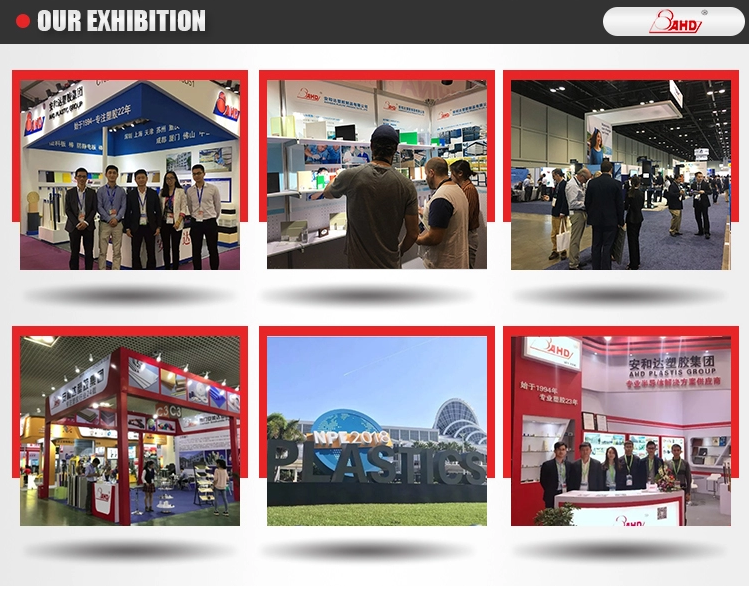
Anheda Plastic will attend VietnamPlas 2025
AHD are pleased to invite you to visit us at VietnamPlas 2025, which will be held in Ho Chi Minh City, Vietnam. Our booth number is B911. We look forward to meeting you there, sharing our latest products and information and exploring potential opportunities for cooperation. Exhibition Details: Venue: [Saigon Exhibition & Convention Center (SECC), Ho Chi Minh City] Date: 2025.09.17-20 Booth No.: B911 We sincerely hope you can join us and look forward to welcoming you at our booth. Anheda Plastic Shea Hua Tel: +86-075523270201 Skype: sales004@anheda.com Mob/WhatsApp: +86 136 5141 4610 Email: sales004@anheda.com Web: www.ahdplastic.com
2025 09/03
-
PP (Polypropylene) safe plastic beverage cups for refreshing drinks
PP (Polypropylene) safe plastic beverage cups for refreshing drinks In the hot summer days, the business of major drinks stores has skyrocketed, and PP beverage cups now occupy most of the drinks stores. Most common beverage cups are made of PP and PET. The material properties of these two materials also lead to different usage ranges of their finished products. Below we will introduce the differences in their characteristics and the different conditions of use. AHD offers the pet plastic sheet and the pp plastic sheet. Contact us to know more about the difference between them. Safety: Both are core compliance, but usage conditions determine risks. Both are food contact plastics and are safe under normal use. However, excessive temperatures or improper use may pose risks: 1. PET's Safety Margin Normal/Low Temperature (<60°C): PET is chemically stable and does not release harmful substances, making it suitable for packaging cold drinks and room-temperature beverages (such as mineral water and carbonated beverages). High Temperature (>60°C): PET's molecular chains may break, slowly releasing trace amounts of acetaldehyde. The EU EFSA stipulates that the acetaldehyde migration limit in food packaging must be ≤0.01mg/kg (compliant PET products are generally well below this limit). 2. PP's Safety Margin Wide Temperature Range (-20°C to 120°C): PP has superior temperature resistance and is not easily decomposed at high temperatures (such as hot drinks, microwave heating) or low temperatures (such as freezing). There is no risk of toxic substance precipitation (unless the material itself is low-quality or adulterated with recycled materials). Stronger Chemical Resistance: PP is more resistant to acids, alkalis, and oils than PET. When packaging acidic beverages (or high-fat foods), it is less likely to swell and cause harmful substances to migrate. Conclusion: PP is safer and more stable in high-temperature or high-fat/acid environments; PET is safe at room and low temperatures, but should be avoided at high temperatures. PP has two more advantages:1. Processing and Cost: "Easy to Form + High Cost-Effective" PP offers excellent processing properties, making it suitable for large-scale production. Flexible Forming: It can be formed into various shapes through processes such as injection molding and blow molding, and its surface can be printed with exquisite patterns. Manageable Cost: The raw material price is slightly higher than PET, but its overall performance is suitable for a wider range of applications, offering better cost-effectiveness and greater safety. 2. Environmental Protection and Durability: A Practical "Recyclable" Choice Recyclability: PP is a recyclable plastic that can be made into fibers and daily necessities through recycling processes, reducing resource waste. Compared to PET, its recycling rate is higher, but PP is slightly less difficult to recycle. Long Lifespan: PP's aging resistance is superior to PET, maintaining its performance over time (PET may yellow with prolonged exposure to UV rays or high temperatures). AHD thin polypropylene sheet (PP sheet) PP significantly outperforms PET in the following aspects, making it more suitable for specific needs: 1. High-Temperature Resistance: The preferred choice for hot beverages/microwave heating PP has a long-term operating temperature of up to 100°C (short-term resistance to 120°C), allowing it to be directly used for hot beverages. PET has a long-term operating temperature of only ≤60°C, causing it to soften and deform when used with hot beverages, and may also release acetaldehyde. 2. Chemical Resistance: The preferred choice for acidic/oily foods PP has better acid and alkali resistance (e.g., pH 2-12) and oil resistance (lower swelling rate in oils and fats) than PET, making it suitable for packaging acidic juices, carbonated beverages, or high-fat foods. PET has good resistance to weak acids and bases, but may slowly swell in strong acids (e.g., lemon juice, pH ≈ 2.5) or high-fat foods after long-term contact, resulting in reduced gas barrier properties. 3. Toughness and impact resistance: better drop resistance PP is more tough and not easy to break when dropped (especially in low temperature environment); PET is highly rigid but brittle, may become brittle at low temperature, and is easy to break when dropped. 4. Microwave applicability: the only plastic that can be microwaved PP is the only plastic widely used for microwave heating, and its molecular structure is stable at microwave frequencies and is not easy to decompose.
2025 08/07
-
Take your high-strength and impact-resistant ABS suitcases for a summer vacation!
Take your high-strength and impact-resistant ABS suitcases for a summer vacation! The material selection of luggage needs to take into account durability, lightness, impact resistance, aesthetics and cost, and plastic has become the mainstream choice due to its strong plasticity and balanced overall performance. At present, the core components of luggage (shell, transparent window, lining, wheel set, etc.) mainly use ABS , PC (polycarbonate), PP (polypropylene) and their blended modified materials. Some high-end products will combine engineering plastics (such as PA) or composite materials. Today, let's talk about the common ABS luggage on the market. AHD offer not only ABS Plastic Sheets, but also ABS plastic rods. The abs plastic sheet thickness form 1 to 260mm, regular sizes 1250*2000mm & 1250*1000mm, and customized sizes available. There are many regular colors to choose from, such as beige, procelain white, black, clear,etc. ABS (Acrylonitrile-Butadiene-Styrene Copolymer) - The "Hard Core" of the Shell ABS is the most commonly used material for luggage shells, accounting for more than 70% of the market share. Its characteristics perfectly match the "high strength + impact resistance + easy processing" requirements of the shell: Physical properties: tensile strength 35-50MPa, notched impact strength 15-30kJ/m² (normal temperature), low temperature resistance (-40℃ still maintains toughness), high surface hardness (Rockwell hardness R75-85); Processing adaptability: complex structures (such as edges, handles, locks) can be manufactured by injection molding, with low mold cost and suitable for large-scale production; Beside abs sheet , we also have fr abs sheet, esd abs sheet, pc abs sheet. Welcome to contact us and let us solve the troubles for you. Mechanical properties: high strength + impact resistance, meeting high-frequency use requirements The suitcase needs to withstand complex stresses such as consignment squeezing, falling, and collision. The mechanical properties of ABS perfectly match this scenario: High rigidity: ABS has high tensile strength, which can support the suitcase without deformation when filled with heavy objects, and the edges and corners remain straight; Low-temperature toughness: -40℃ still maintains good toughness, suitable for outdoor consignment in winter or transportation in high altitude areas; Surface treatment: high appearance + personalization, satisfying consumer aesthetics Spraying/painting: ABS surface has strong polarity and strong paint adhesion, which can achieve various effects such as matte, glossy, gradient, etc.; Texture treatment: Anti-slip texture, brand LOGO relief and other details can be made on the ABS surface through mold etching or laser engraving. Shea Hua Sales Representative Tel: +86-075523270201 Skype: sales004@anheda.com Mob/WhatsApp: +86 136 5141 4610 Email: sales004@anheda.com Web: www.ahdplastic.com
2025 07/28
-
AHD Attend 2025 The 23rd Vietnam International Plastics & Rubber Industry Exhibition
Guangdong stands as the most advanced hub for China's polymer industry, boasting the highest concentration of enterprises and the most comprehensive industrial chain. Incomplete statistics indicate that by the end of 2024, the output value of Guangdong's polymer industry had reached approximately 420 billion yuan, accounting for 10% of the national total in this sector. DONGGUAN ANHEDA ENGINEERING PLASTIC CO., LTD is pleased to announce its participation in the 23rd Vietnam International Plastics & Rubber Industry Exhibition 2025. The relevant booth information is as follows: Exhibition Name: 2025 The 23rd Vietnam International Plastics & Rubber Industry Exhibition Date: 9/17/2025-9/20/2025 Booth No: B911 Address: 17-19 Tôn Thất Tùng, Phường Phạm Ngũ Lão, Quận 1, Hồ Chí Minh 700000, Vietnam Shea Hua Sales Representative Tel: +86-075523270201 Skype: sales004@anheda.com Mob/WhatsApp: +86 136 5141 4610 Email: sales004@anheda.com Web: www.ahdplastic.com
2025 07/23
-
AHD Attend Malaysian International Trade & Exhibition Centre
Shenzhen is the most developed area in the polymer industry in the country, with the most intensive enterprises and the most complete industrial chain. According to incomplete statistics, by the end of 2024, Shenzhen's polymer industry achieved an output value of about 420 billions, accounting for 10% of the national polymer industry's output value. Shenzhen Anheda Plastic Products CO., LTD will attend Malaysian International Trade & Exhibition Centre, below is the booth information: Exhibition Name: Malaysian International Trade & Exhibition Centre Date: 10-12, July 2025 Booth: Hall 2, 3F07 Address: Kompleks MITEC No. 8, Jalan Dutamas 2, 50480 Kuala Lumpur, Malaysi Shea Hua Sales Representative Tel: +86-075523270201 Skype: sales004@anheda.com Mob/WhatsApp: +86 136 5141 4610 Email: sales004@anheda.com Web: www.ahdplastic.com
2025 06/25
Loading ...
Total 92 News