PP (Polypropylene) safe plastic beverage cups for refreshing drinks
In the hot summer days, the business of major drinks stores has skyrocketed, and PP beverage cups now occupy most of the drinks stores.
Most common beverage cups are made of PP and PET.
The material properties of these two materials also lead to different usage ranges of their finished products.
Below we will introduce the differences in their characteristics and the different conditions of use.
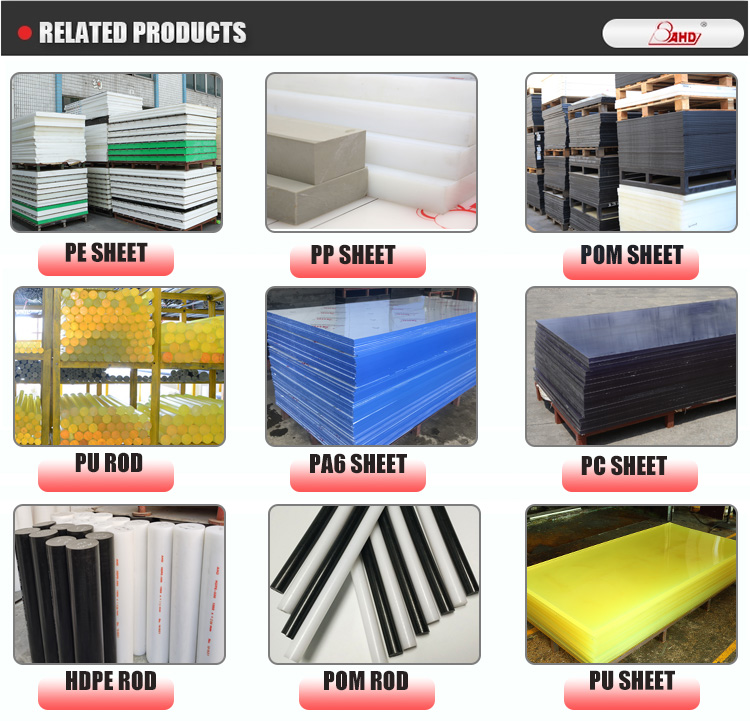
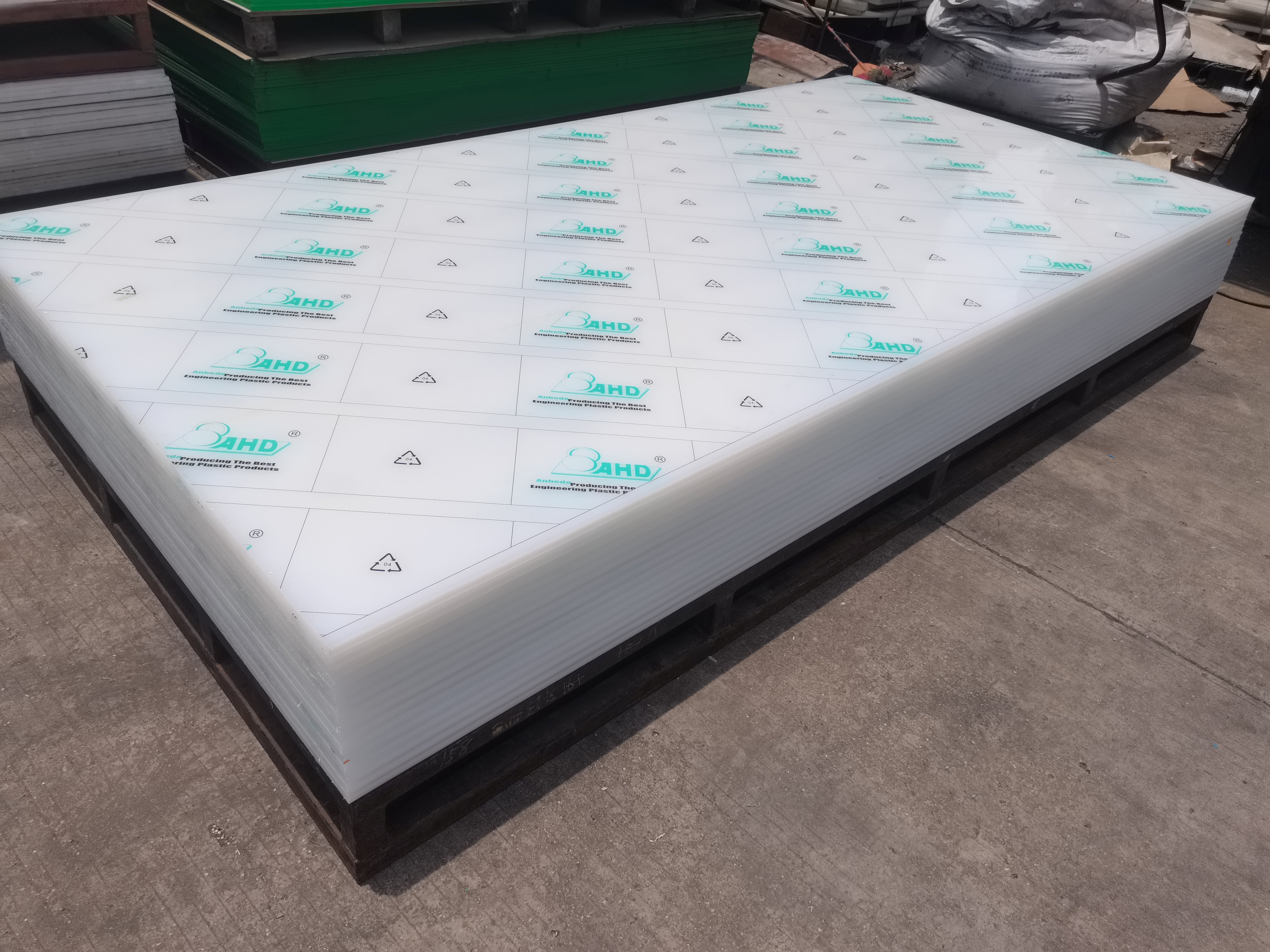
AHD offers the pet plastic sheet and the pp plastic sheet. Contact us to know more about the difference between them.
 Safety: Both are core compliance, but usage conditions determine risks. Both are food contact plastics and are safe under normal use.
However, excessive temperatures or improper use may pose risks:
1. PET's Safety Margin Normal/Low Temperature (<60°C): PET is chemically stable and does not release harmful substances,
making it suitable for packaging cold drinks and room-temperature beverages (such as mineral water and carbonated beverages).
High Temperature (>60°C): PET's molecular chains may break, slowly releasing trace amounts of acetaldehyde.
The EU EFSA stipulates that the acetaldehyde migration limit in food packaging must be ≤0.01mg/kg (compliant PET products are generally well below this limit).
2. PP's Safety Margin Wide Temperature Range (-20°C to 120°C): PP has superior temperature resistance and is not easily decomposed at high temperatures
(such as hot drinks, microwave heating) or low temperatures (such as freezing).
There is no risk of toxic substance precipitation (unless the material itself is low-quality or adulterated with recycled materials).
Stronger Chemical Resistance: PP is more resistant to acids, alkalis, and oils than PET. When packaging acidic beverages (or high-fat foods),
it is less likely to swell and cause harmful substances to migrate.
Conclusion: PP is safer and more stable in high-temperature or high-fat/acid environments;
PET is safe at room and low temperatures, but should be avoided at high temperatures.
PP has two more advantages:1. Processing and Cost: "Easy to Form + High Cost-Effective" PP offers excellent processing properties,
making it suitable for large-scale production.
Flexible Forming: It can be formed into various shapes through processes such as injection molding and blow molding,
and its surface can be printed with exquisite patterns.
Manageable Cost: The raw material price is slightly higher than PET, but its overall performance is suitable for a wider range of applications,
offering better cost-effectiveness and greater safety.
2. Environmental Protection and Durability: A Practical "Recyclable" Choice
Recyclability: PP is a recyclable plastic that can be made into fibers and daily necessities through recycling processes, reducing resource waste.
Compared to PET, its recycling rate is higher, but PP is slightly less difficult to recycle. Long Lifespan: PP's aging resistance is superior to PET,
maintaining its performance over time (PET may yellow with prolonged exposure to UV rays or high temperatures).
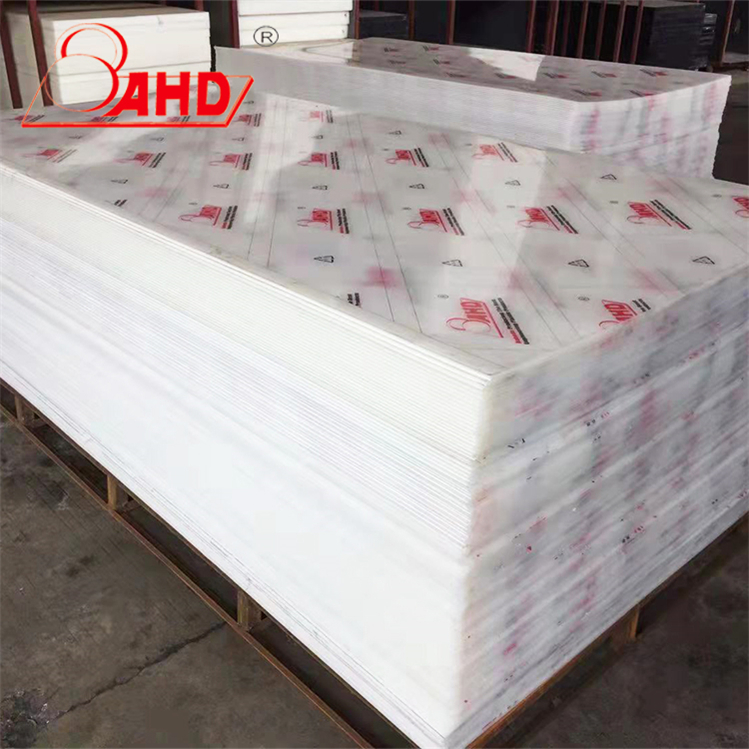 AHD thin polypropylene sheet (PP sheet) PP significantly outperforms PET in the following aspects, making it more suitable for specific needs:
1. High-Temperature Resistance: The preferred choice for hot beverages/microwave heating PP has a long-term operating temperature of up
to 100°C (short-term resistance to 120°C),
allowing it to be directly used for hot beverages. PET has a long-term operating temperature of only ≤60°C, causing it to soften and deform
when used with hot beverages, and may also release acetaldehyde.
2. Chemical Resistance: The preferred choice for acidic/oily foods PP has better acid and alkali resistance (e.g., pH 2-12) and
oil resistance (lower swelling rate in oils and fats) than PET,
making it suitable for packaging acidic juices, carbonated beverages, or high-fat foods. PET has good resistance to weak acids and bases,
but may slowly swell in strong acids (e.g., lemon juice, pH ≈ 2.5) or high-fat foods after long-term contact, resulting in reduced gas barrier properties.
3. Toughness and impact resistance: better drop resistance PP is more tough and not easy to break when dropped (especially in low temperature environment);
PET is highly rigid but brittle, may become brittle at low temperature, and is easy to break when dropped.
4. Microwave applicability: the only plastic that can be microwaved
PP is the only plastic widely used for microwave heating, and its molecular structure is stable at microwave frequencies and is not easy to decompose.