The chemical manufacturing industry faces rigorous material challenges, as production environments are frequently exposed to acids, alkalis, solvents, and corrosive chemical solutions. Traditional metal components are prone to rust, corrosion, and structural damage in such harsh conditions, while ordinary plastic parts often degrade rapidly under long-term chemical erosion. For precision machining and continuous industrial operation, selecting corrosion-resistant structural materials is critical to stabilizing equipment performance, reducing maintenance costs, and extending component service life. High-performance thermoplastic rods have become a mainstream solution for chemical industrial machining due to their exceptional anti-corrosion properties and stable mechanical performance.
PP Rod has emerged as a preferred material for chemical industry machining, thanks to its outstanding inert chemical properties. This industrial thermoplastic material features excellent resistance to most dilute acids, alkalis, saline solutions, and organic solvents that are commonly used in chemical workshops. Unlike metal materials that react chemically with corrosive liquids, it maintains stable molecular structure and will not dissolve, deform, or deteriorate after long-term immersion and contact. Its reliable chemical stability makes it ideal for manufacturing chemical tank accessories, anti-corrosion fixtures, fluid pipeline parts, and chemical processing equipment components.
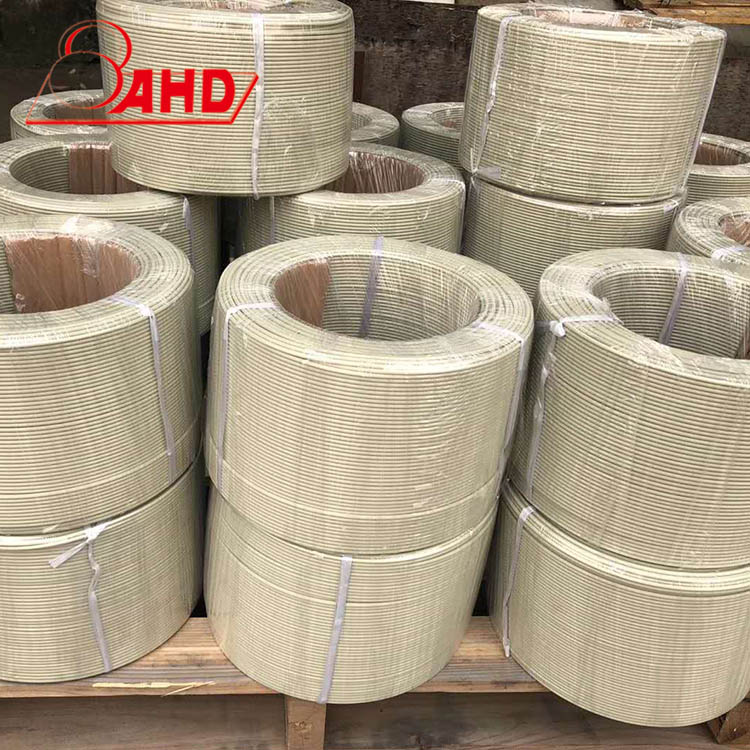
Industrial chemical processing requires materials that balance corrosion resistance and machinability, and Polypropylene Rod perfectly meets this dual demand. With uniform internal density and stable physical properties, this material can be freely cut, drilled, turned, and milled into customized precision parts without compromising its anti-corrosion performance. It avoids the common defects of brittle cracking and surface peeling during machining, ensuring smooth and precise finished products. Even after fine processing, its surface remains compact and non-porous, effectively preventing chemical liquid penetration and secondary corrosion in complex chemical working environments.
Apart from chemical resistance and processability, environmental adaptability further enhances the practical value of thermoplastic rods in chemical production. Most chemical workshops feature continuous temperature changes and humid working conditions, which easily accelerate the aging and damage of inferior materials. High-quality anti-corrosion plastic rods possess good heat resistance, moisture resistance, and anti-aging performance, maintaining stable working status in long-term cyclic chemical processing scenarios. They can adapt to conventional low and medium temperature chemical reaction environments, fully meeting the daily operation needs of chemical machining equipment.
For standardized chemical equipment manufacturing, Round Pp Rod provides more targeted application advantages. Its regular round structure ensures uniform stress distribution and consistent anti-corrosion performance on all surfaces, eliminating local weak points that are prone to chemical erosion. This standardized round specification is highly compatible with automated machining equipment, greatly improving production efficiency for batch chemical parts. It is widely used in manufacturing chemical stirring shafts, positioning pins, support rods, and anti-corrosion structural accessories for industrial reaction devices.