What is POM Rod
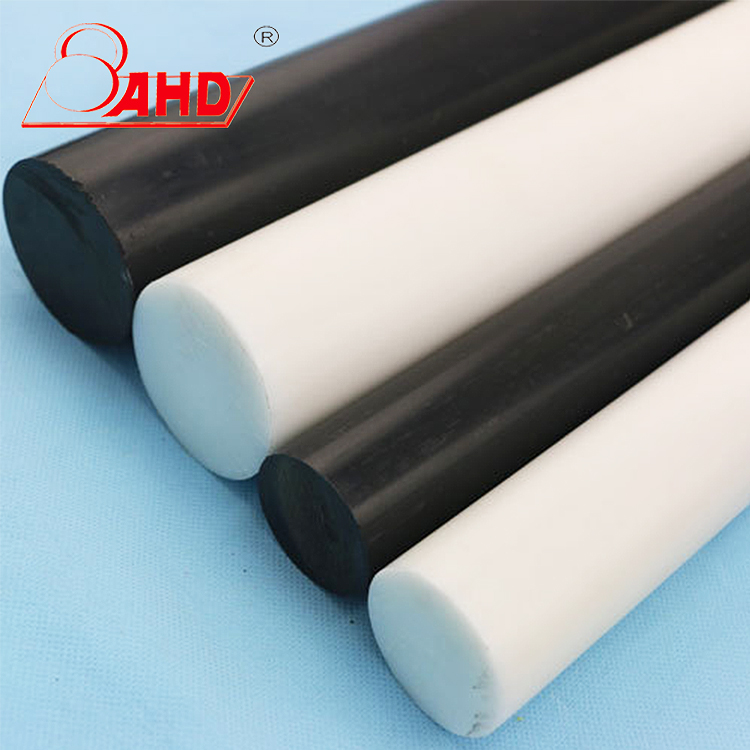
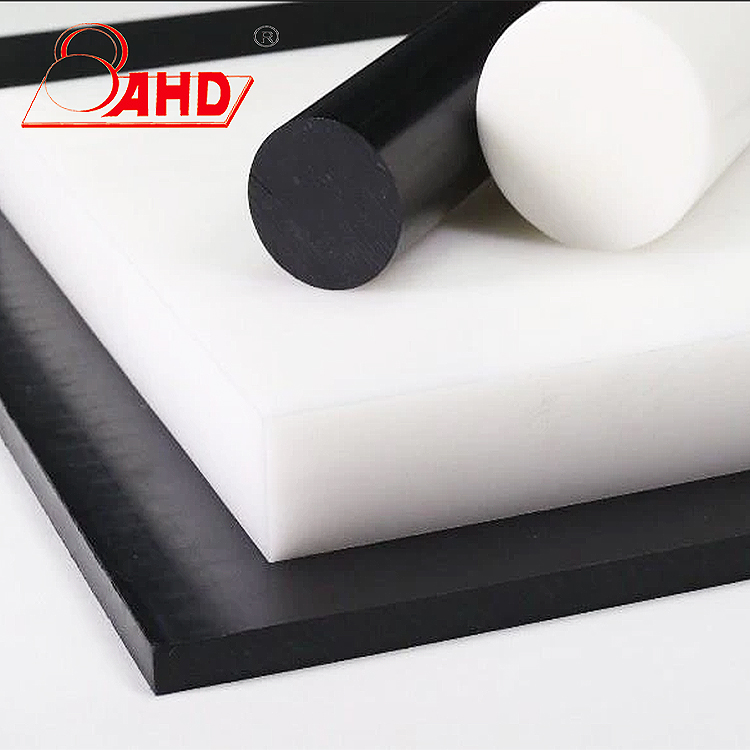
In the vast expanse of materials science and engineering, the POM rod stands as a paragon of versatility and value. POM, or polyoxymethylene, is a thermoplastic polymer celebrated for its exceptional mechanical prowess, robust chemical resistance, and remarkable dimensional stability. When transformed into the form of a rod, it becomes a fundamental building block, finding its way into a plethora of applications across diverse industrial landscapes.
Chemical Composition and Structure
POM is a linear, high - molecular - weight polymer composed of recurring formaldehyde units (–CH₂O–). This seemingly simple yet highly ordered chemical structure is the key to its distinctive properties. The regular arrangement of molecular chains fosters a high degree of crystallinity, endowing the POM rod with outstanding mechanical strength and stiffness. This crystalline structure is like a well - organized army of molecules, working in harmony to provide the material with its robust physical characteristics.
Key Properties
Mechanical Strength
The POM rod's mechanical strength is truly remarkable. It exhibits an impressively high tensile strength, enabling it to withstand substantial pulling forces without fracturing. This makes it an ideal choice for applications where components are required to bear heavy loads. In the automotive industry, for example, POM rods are employed in engine components such as cam followers and rocker arms. These parts are subjected to intense stress during engine operation, and the POM rod's strength ensures reliable performance under such demanding conditions. The rod's ability to endure these forces is crucial for the smooth and efficient operation of the engine.
Rigidity
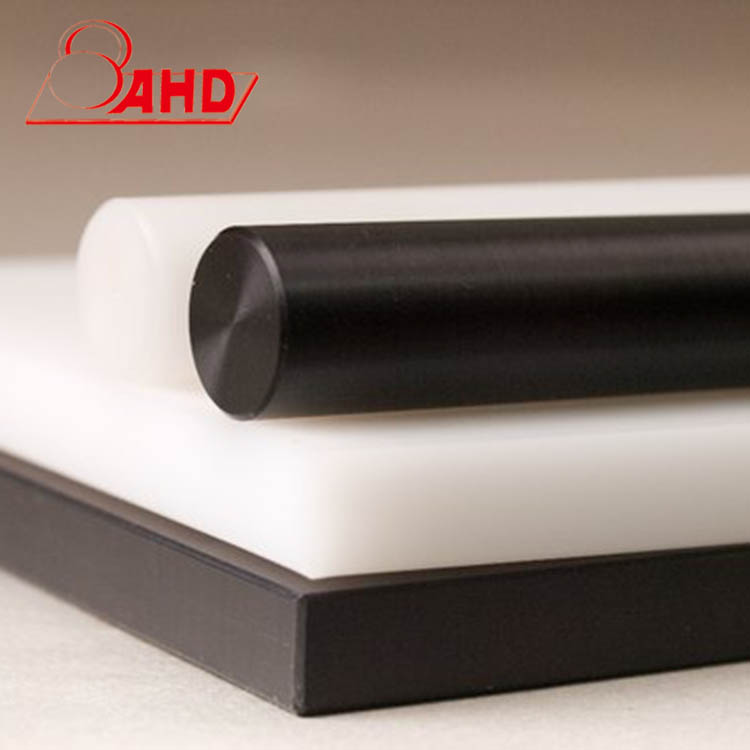
Rigidity is another defining feature of the POM rod. It maintains its shape with unwavering stability, even when subjected to significant pressure or bending forces. This property is of utmost importance in precision machinery, where dimensional accuracy is non - negotiable. In a CNC (Computer Numerical Control) milling machine, POM rods are used to fabricate guide rails. These guide rails must remain perfectly straight and true to ensure the precise machining of parts. The POM rod's rigidity acts as a guarantee of accuracy, allowing for the production of high - quality components with tight tolerances.
Wear Resistance
The POM rod's inherent wear resistance is a significant advantage. With a low coefficient of friction and high surface hardness, it is well - suited for applications involving sliding or rubbing motion. In conveyor systems, POM rod - made rollers can significantly reduce friction and wear. This not only extends the lifespan of the system but also minimizes maintenance costs. The smooth operation of these rollers, thanks to the POM rod's properties, contributes to the overall efficiency of the conveyor system, ensuring the seamless movement of materials.
Chemical Resistance
POM rods demonstrate excellent resistance to a wide array of chemicals, including various solvents, acids, and alkalis. This property allows them to be used in harsh chemical environments without succumbing to corrosion or degradation. In the chemical processing industry, POM rods are commonly used to manufacture valves, pipes, and fittings that come into contact with corrosive substances. The chemical resistance of POM rods ensures the long - term integrity of these components, safeguarding the efficiency and safety of chemical processes.
Dimensional Stability
Dimensional stability is a critical property of POM rods. They maintain their size and shape consistently across a wide range of temperatures and environmental conditions. This makes them an ideal choice for applications where precision is key. In the electronics industry, POM rods are used to produce components such as connectors and insulators. Even the slightest change in dimensions in these components could disrupt the performance of the entire device. The POM rod's dimensional stability provides a reliable foundation for the production of high - performance electronic components.
Manufacturing Process
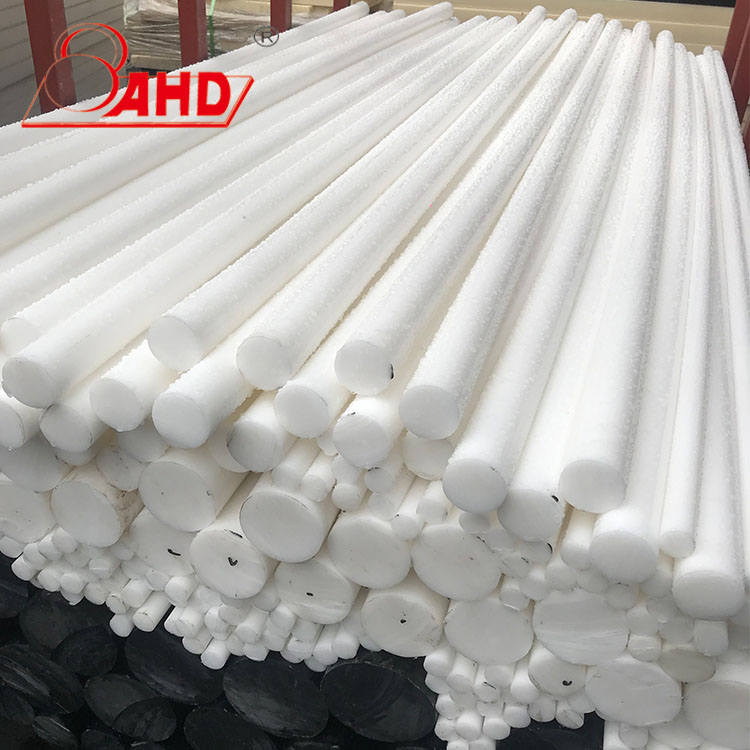
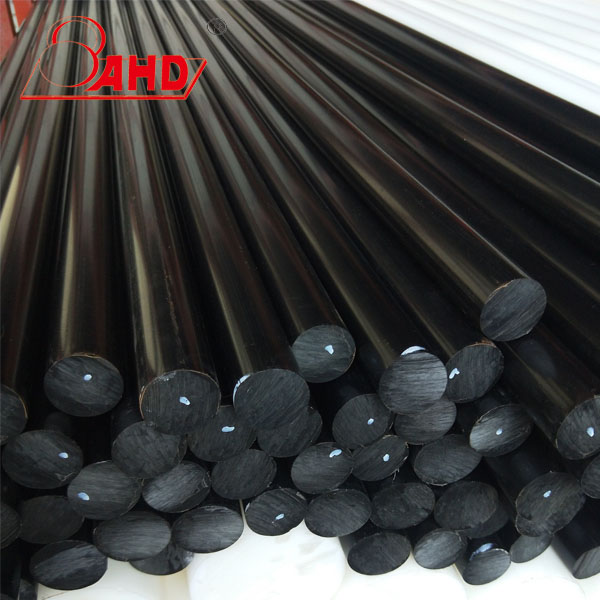
The production of POM rods typically involves the extrusion process. POM pellets are fed into an extruder, where they are heated to a molten state. The extruder then forces the molten POM through a die with a circular cross - section, shaping it into a rod. After extrusion, the rod is cooled and solidified, often by passing it through a water bath. This carefully controlled process ensures the production of POM rods with consistent dimensions and a high - quality finish. The precision of the extrusion process is crucial for meeting the strict requirements of various industries.

Applications
Automotive Industry
The automotive industry is one of the major beneficiaries of POM rod technology. In addition to engine components, POM rods are used in a variety of interior parts. Door handles, seat adjusters, and window regulators are all commonly made from POM rods. Their mechanical properties, combined with their durability and aesthetic appeal, make them a perfect fit for these applications. POM rods can withstand the daily wear and tear of automotive use while maintaining their functionality and appearance.
Electronics
In the electronics sector, POM rods are essential for the production of a wide range of components. They are used in the manufacturing of printed circuit board (PCB) holders, where their dimensional stability and electrical insulation properties are crucial. POM rods also find application in consumer electronics such as smartphones and laptops. Buttons, hinges, and other small components are often made from POM rods, contributing to the overall quality and functionality of these devices.
Machinery and Equipment
POM rods play a vital role in the manufacturing of machinery and equipment. Gears, pulleys, and bearings are commonly made from POM rods due to their high strength, wear resistance, and dimensional accuracy. In the construction of robotic arms, POM rods are used to ensure smooth and precise movement. The unique properties of POM rods enable these components to perform their functions with reliability and efficiency, even in demanding industrial environments.
Furniture and Decor
In the furniture and decor industry, POM rods are valued for their aesthetic and functional qualities. They are used to create decorative elements such as handles and knobs, where their ability to be machined into intricate designs and finished to a high - quality surface is highly desirable. Additionally, their durability makes them suitable for use in furniture components that are subject to frequent handling. POM rods can enhance the overall look and feel of furniture while providing long - lasting performance.
In conclusion, the POM rod is a truly remarkable material with a diverse range of applications. Its unique combination of properties makes it an indispensable component in numerous industries. As technology continues to evolve, the demand for POM rods is likely to grow, as they will continue to play a crucial role in the development of innovative products and solutions. The POM rod's versatility and reliability ensure its place as a cornerstone material in modern manufacturing.