What is ABS Sheet
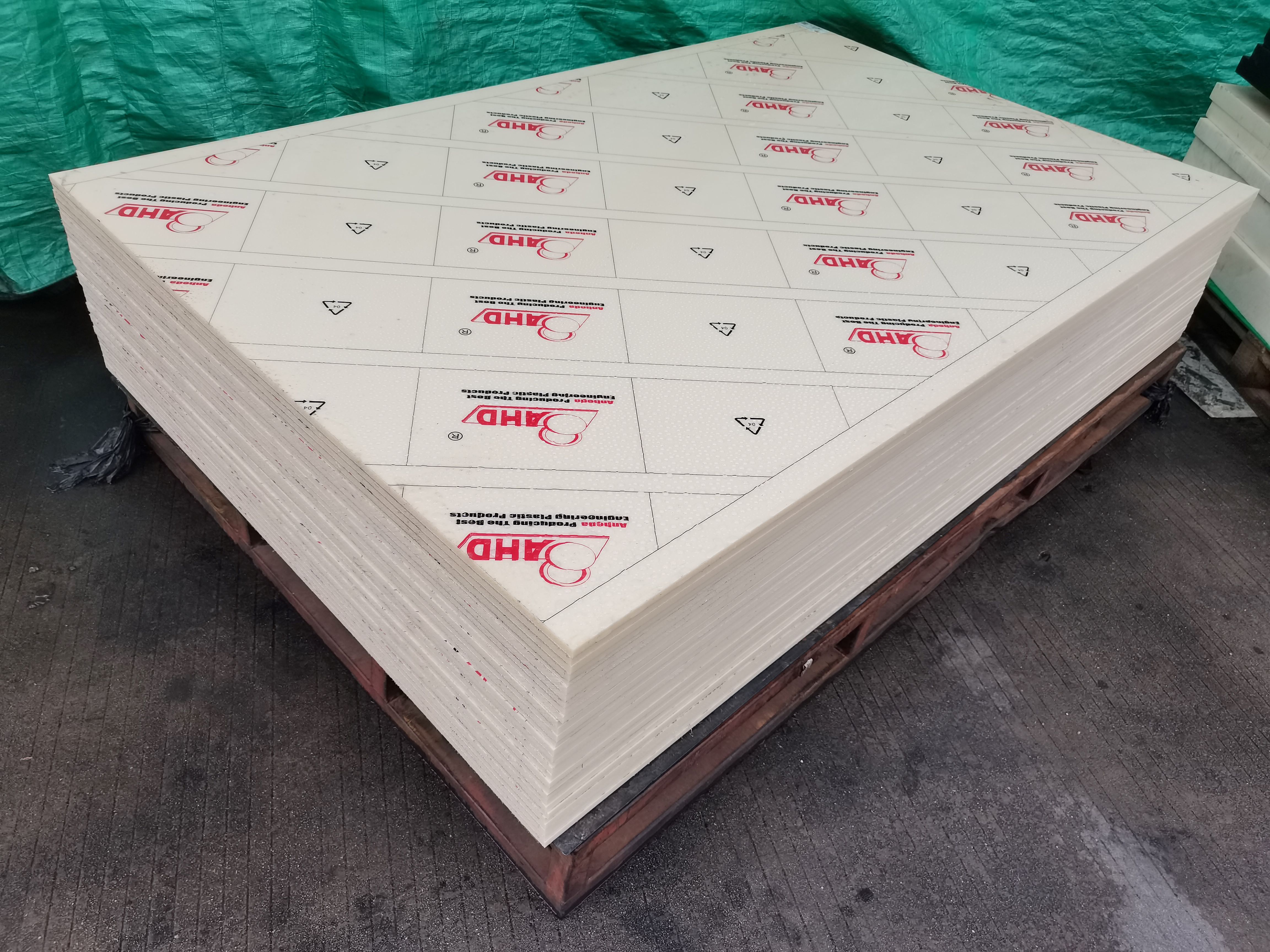
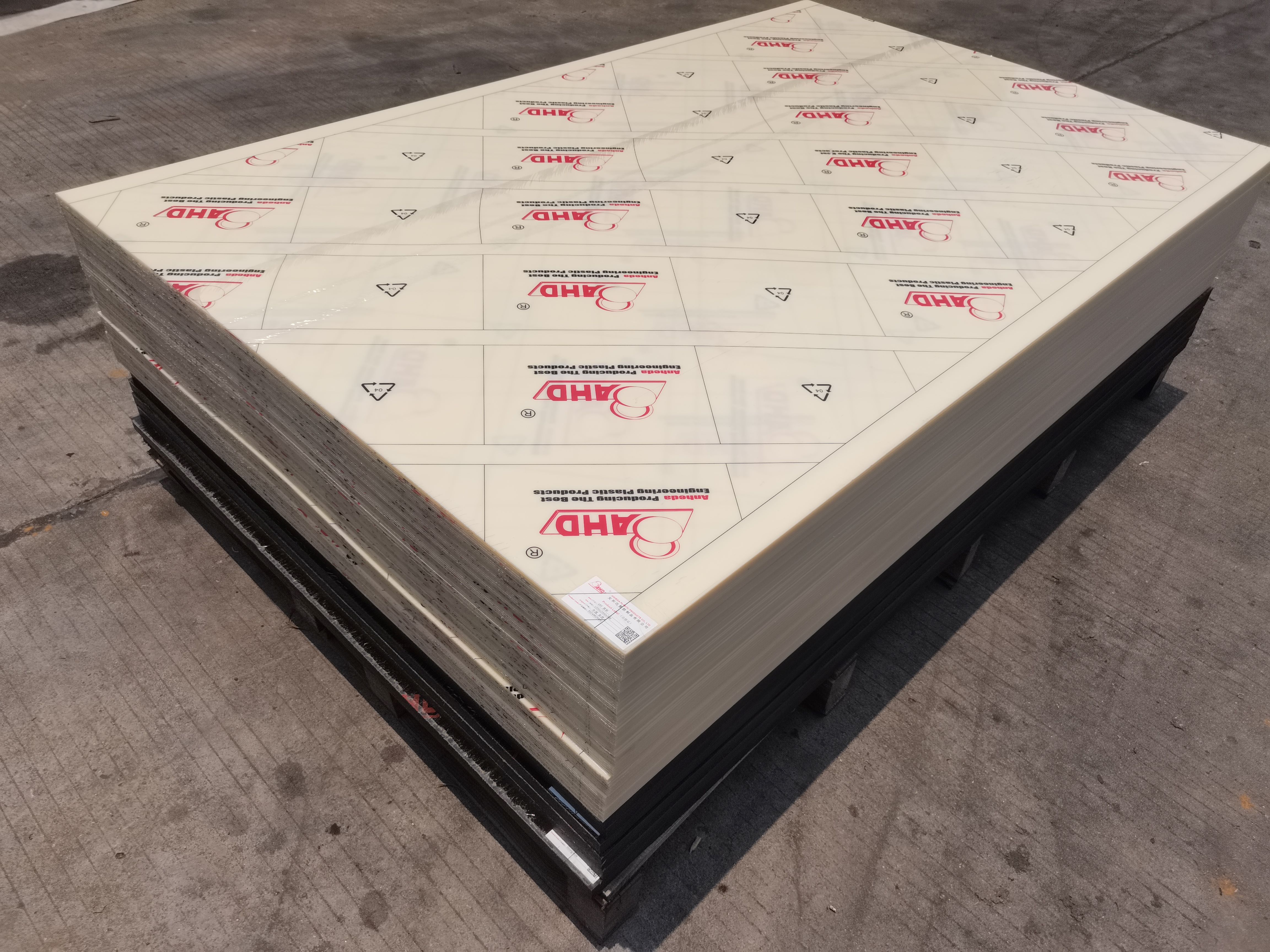
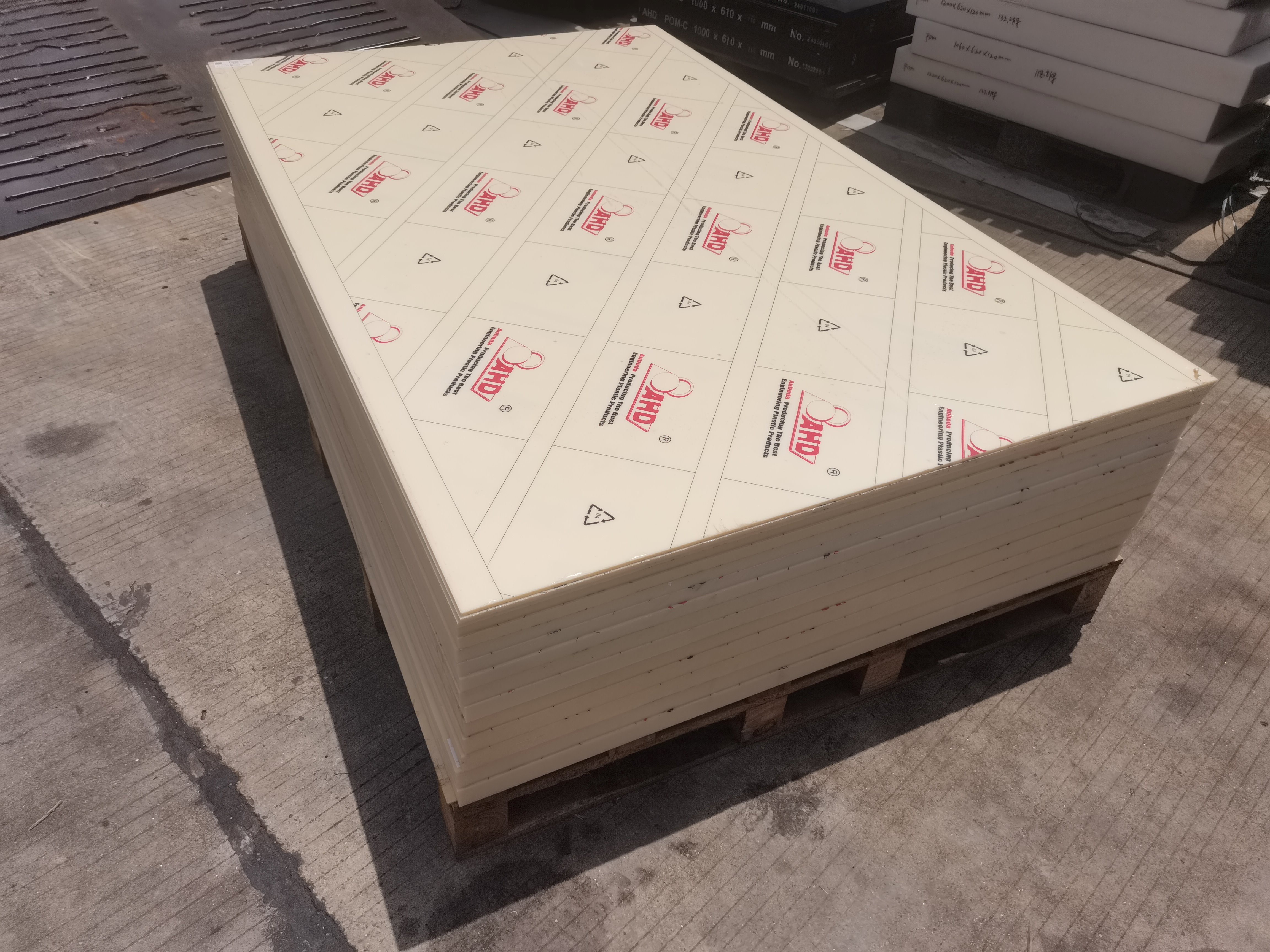
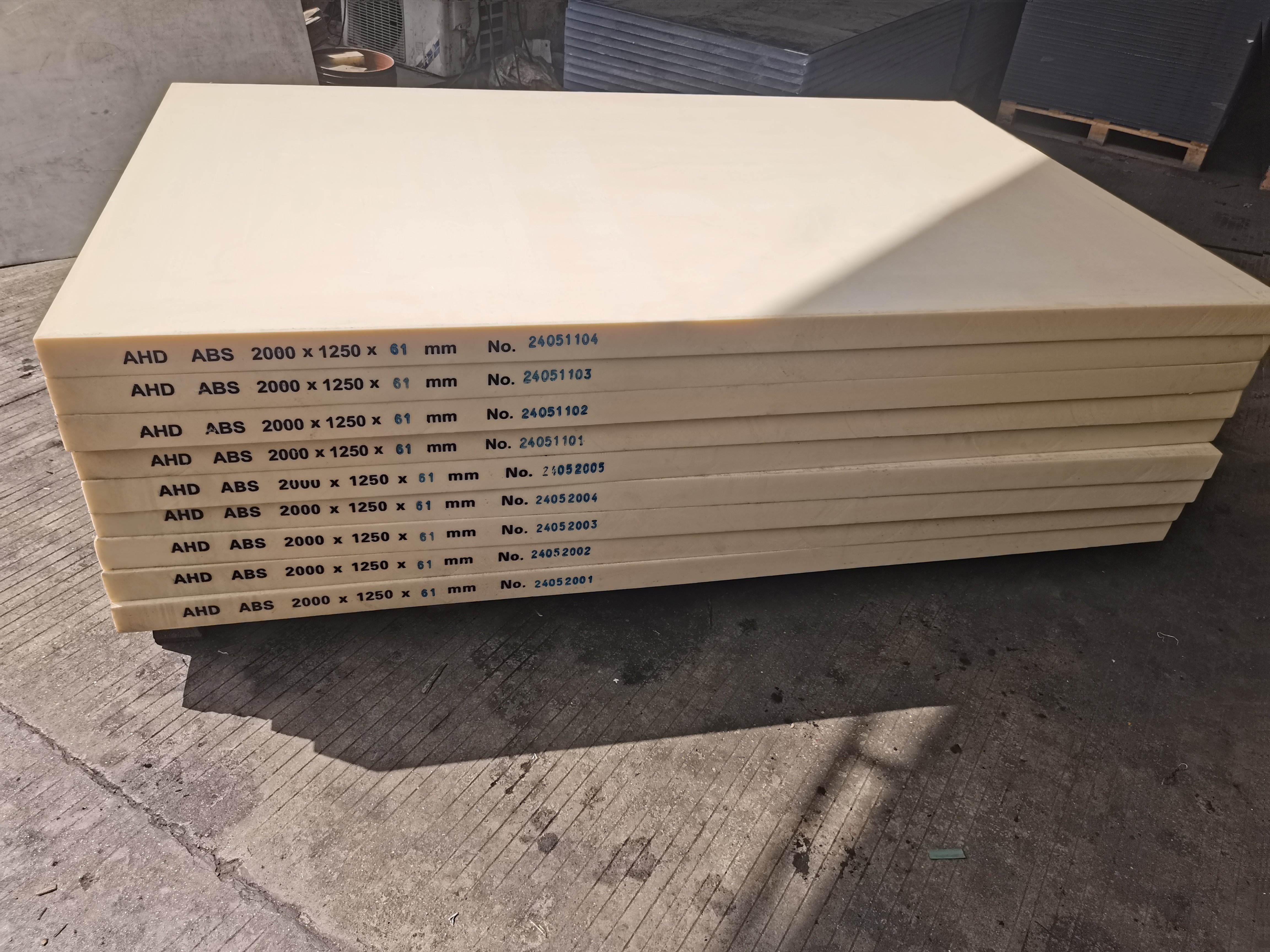
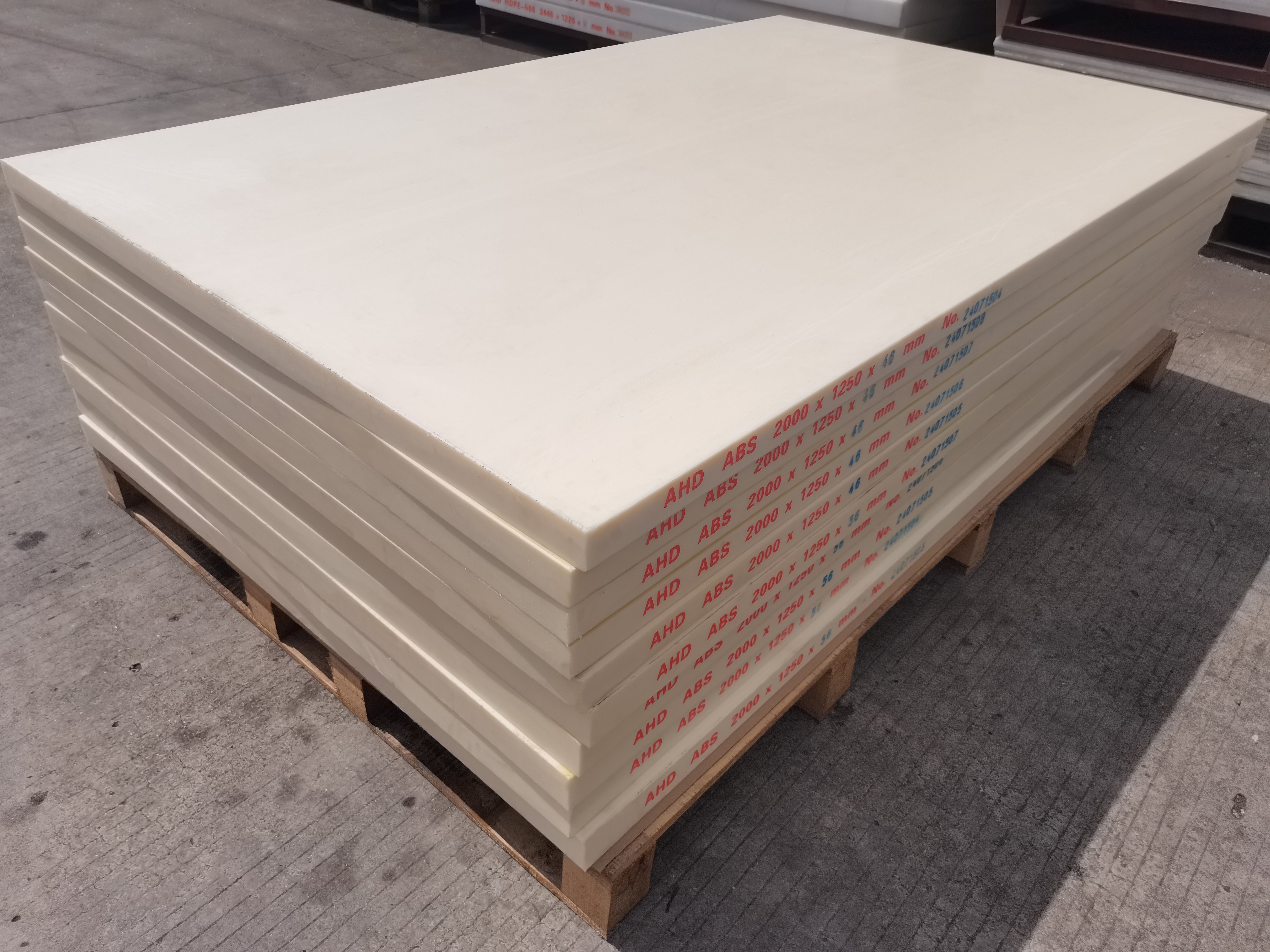
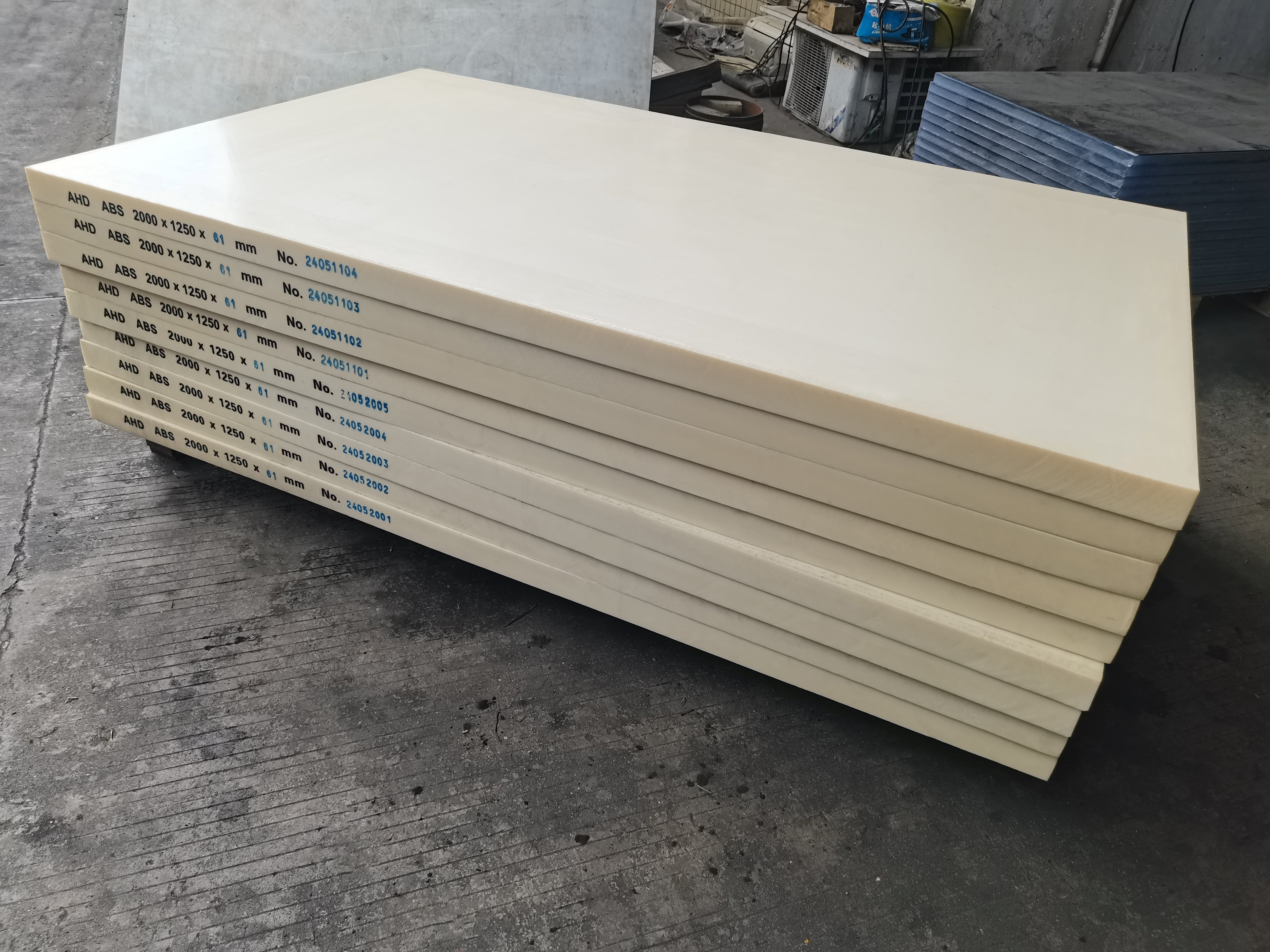
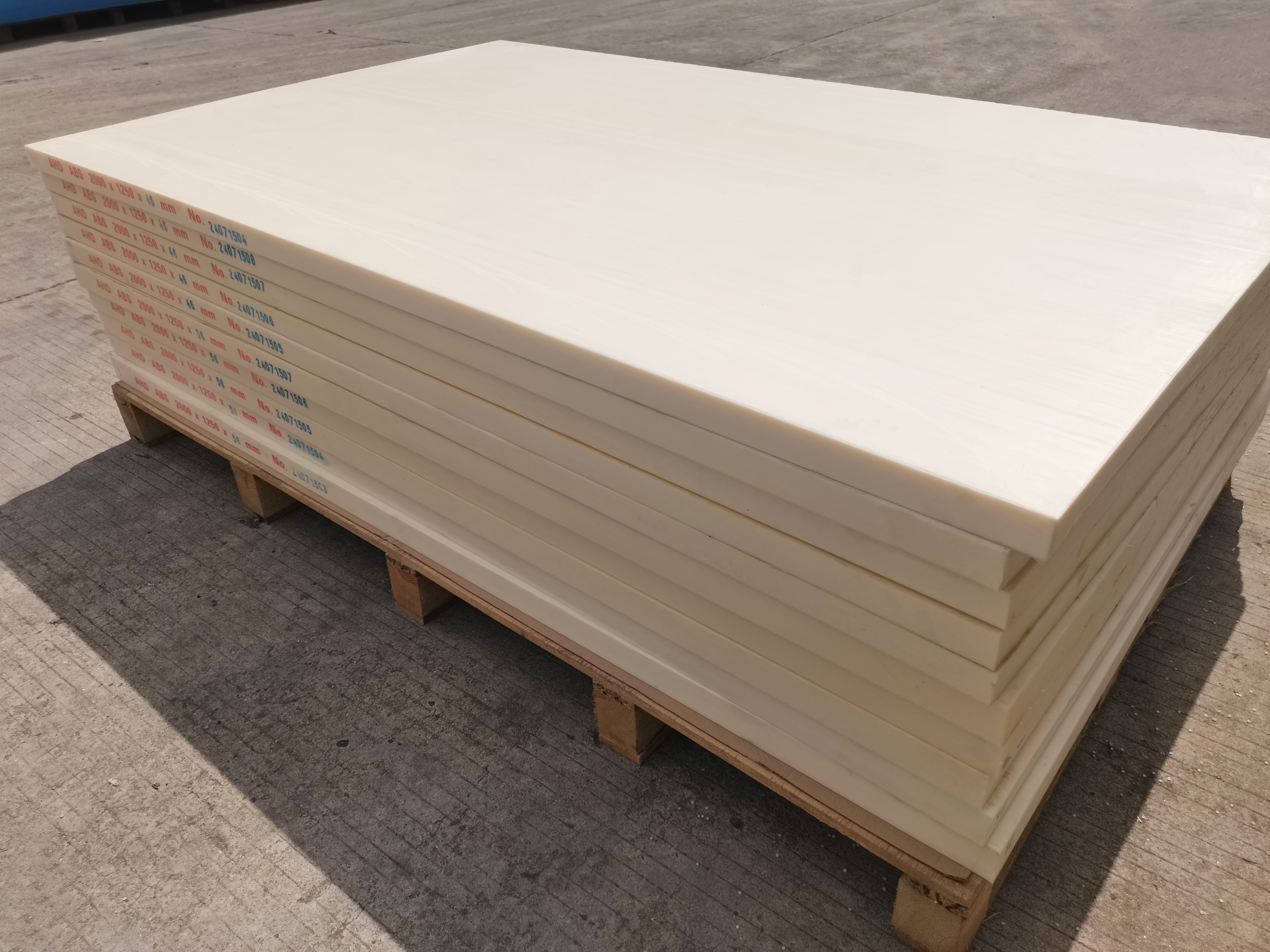
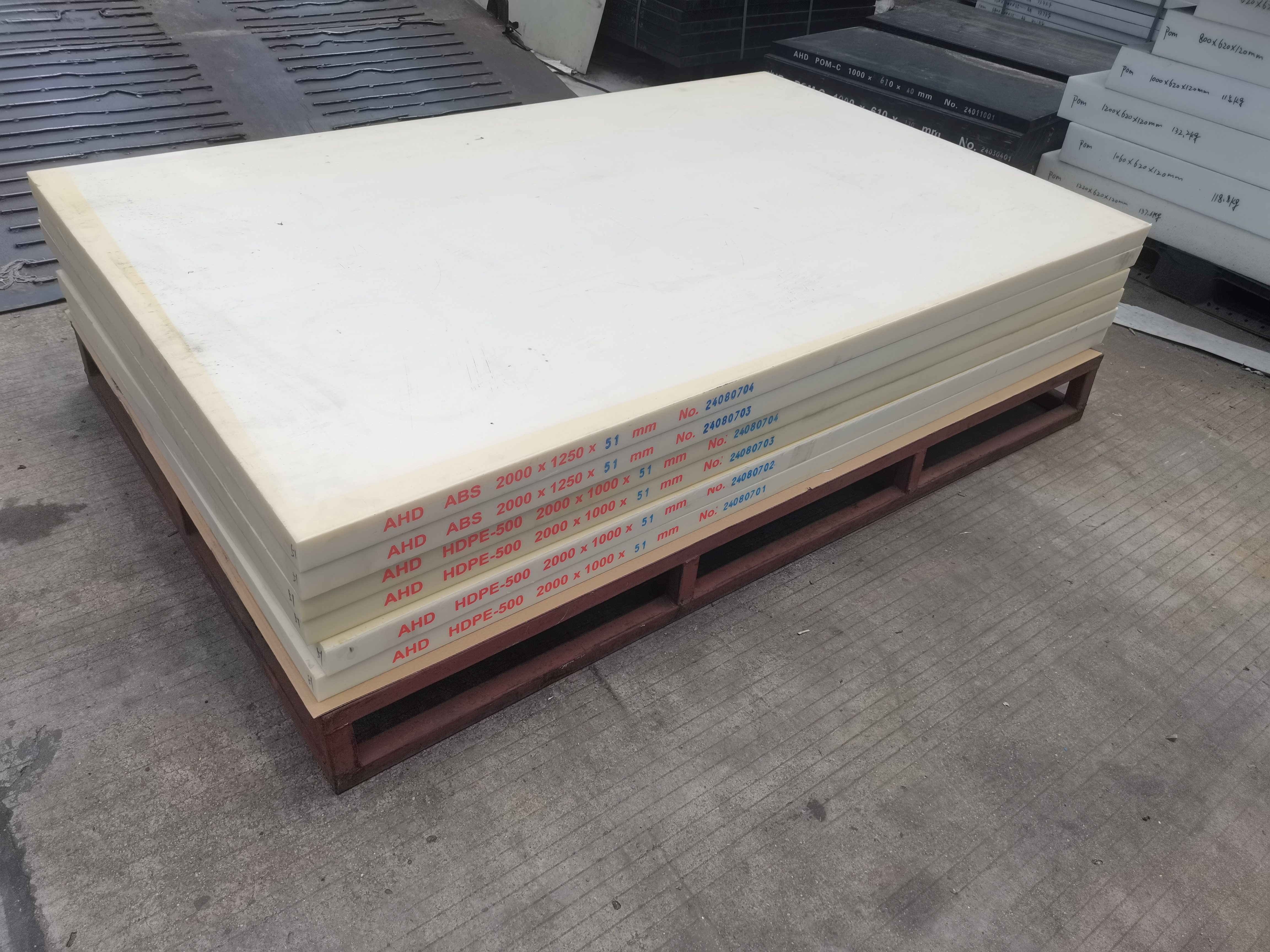
ABS sheet is a type of thermoplastic sheet that has gained significant popularity across various industries due to its unique combination of properties. ABS stands for acrylonitrile - butadiene - styrene, which is a terpolymer formed by the polymerization of acrylonitrile, butadiene, and styrene monomers. This composition gives ABS sheet a wide range of characteristics that make it suitable for numerous applications.
Composition and Manufacturing
The three monomers in ABS each contribute distinct properties to the final material. Acrylonitrile provides chemical resistance, rigidity, and heat resistance. Butadiene imparts toughness and impact resistance, while styrene offers good processing properties and a glossy surface finish.
ABS sheets are typically manufactured through processes like extrusion and injection molding. In the extrusion process, ABS pellets are melted and forced through a die with a flat cross - section to form a continuous sheet. This method is suitable for producing large - volume, uniform sheets. Injection molding, on the other hand, is used for more complex shapes and higher - precision parts. In this process, the molten ABS is injected into a mold cavity, where it solidifies to take the shape of the mold.
Key Properties
Impact Resistance
One of the most notable properties of ABS sheet is its high impact resistance. Thanks to the butadiene component, ABS sheets can withstand significant impacts without cracking or breaking. This makes them ideal for applications where the material may be subjected to physical stress, such as in automotive parts, protective covers, and sports equipment. For example, motorcycle helmets often use ABS sheets in their construction to provide a strong and durable outer shell that can protect the rider's head in case of an accident.
Chemical Resistance
ABS sheets exhibit good resistance to a variety of chemicals. The acrylonitrile in the polymer structure helps the sheet withstand exposure to common solvents, acids, and alkalis. This property makes ABS sheets suitable for use in chemical storage containers, laboratory equipment, and industrial applications where contact with chemicals is likely. However, it's important to note that while ABS has decent chemical resistance, it may not be suitable for extremely harsh or corrosive environments.
Rigidity and Strength
Despite its impact resistance, ABS sheet also offers good rigidity and strength. The combination of acrylonitrile and styrene provides the material with the necessary stiffness to maintain its shape under load. This makes ABS sheets useful for applications where structural integrity is important, such as in furniture components, display stands, and signage. For instance, ABS sheets can be used to create sturdy shelves that can hold heavy items without sagging.
Aesthetic Appeal
ABS sheets have a smooth and glossy surface finish, which gives them an attractive appearance. This makes them a popular choice for applications where aesthetics are important, such as in consumer products, interior design, and advertising. ABS sheets can be easily colored, textured, or painted to meet specific design requirements. For example, in the production of electronic device casings, ABS sheets can be molded into sleek and modern - looking designs, and then colored to match the brand's aesthetic.
Processability
ABS has excellent processability, which means it can be easily formed, cut, drilled, and welded. This makes it convenient for manufacturers to work with and allows for the production of complex shapes and designs. Whether it's using a laser cutter to create intricate patterns on an ABS sheet or welding multiple sheets together to form a larger structure, the processability of ABS makes it a versatile material for fabrication.

Applications
Automotive Industry
In the automotive sector, ABS sheets are used in a variety of applications. They are used to make interior components such as dashboard panels, door trims, and glove box liners. The impact resistance and aesthetic appeal of ABS sheets make them suitable for these applications, as they can enhance the safety and comfort of the vehicle's interior. Additionally, ABS sheets are used in exterior parts like body kits and spoilers, where their strength and ability to be molded into complex shapes are beneficial.
Electronics
ABS sheets are widely used in the electronics industry for the production of device casings. The impact resistance of ABS helps protect delicate electronic components from damage, while its electrical insulation properties make it a safe choice for enclosing electrical parts. From smartphones and tablets to laptops and gaming consoles, many electronic devices use ABS sheets in their construction. The processability of ABS also allows for the creation of custom - designed casings with precise cutouts for ports, buttons, and displays.
Consumer Goods
ABS sheets are used to manufacture a wide range of consumer goods. They are used in the production of toys, where their impact resistance and ability to be colored and textured make them suitable for creating durable and attractive playthings. ABS sheets are also used in household items such as kitchen appliances, vacuum cleaner parts, and storage containers. The combination of strength, chemical resistance, and aesthetic appeal makes ABS a popular choice for these consumer products.
Signage and Displays
In the signage and display industry, ABS sheets are used to create various types of signs, displays, and exhibition stands. Their smooth surface finish and ability to be easily printed on or painted make them ideal for showcasing graphics and information. ABS sheets can be bent, shaped, and joined together to create unique and eye - catching displays. Whether it's a storefront sign or an exhibition booth, ABS sheets can help create a professional and engaging visual presence.
Construction
In the construction industry, ABS sheets are used for a variety of applications. They can be used as cladding materials for buildings, providing an aesthetically pleasing and durable exterior finish. ABS sheets are also used in the construction of partitions, ceilings, and wall linings. Their fire - retardant properties (in some specialized formulations) make them suitable for use in areas where fire safety is a concern. Additionally, ABS sheets can be used to create custom - made architectural elements, adding a unique touch to building designs.
In conclusion, ABS sheet is a versatile and valuable thermoplastic material. Its combination of impact resistance, chemical resistance, strength, aesthetic appeal, and processability makes it suitable for a wide range of applications across multiple industries. As technology continues to advance, the use of ABS sheets is likely to expand, as manufacturers find new and innovative ways to utilize this remarkable material.