What is HDPE Sheet
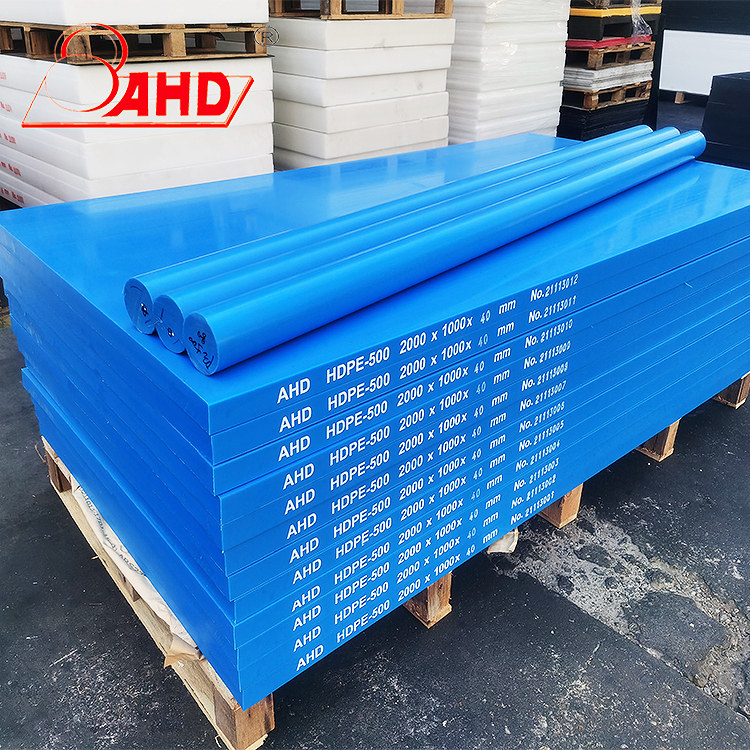
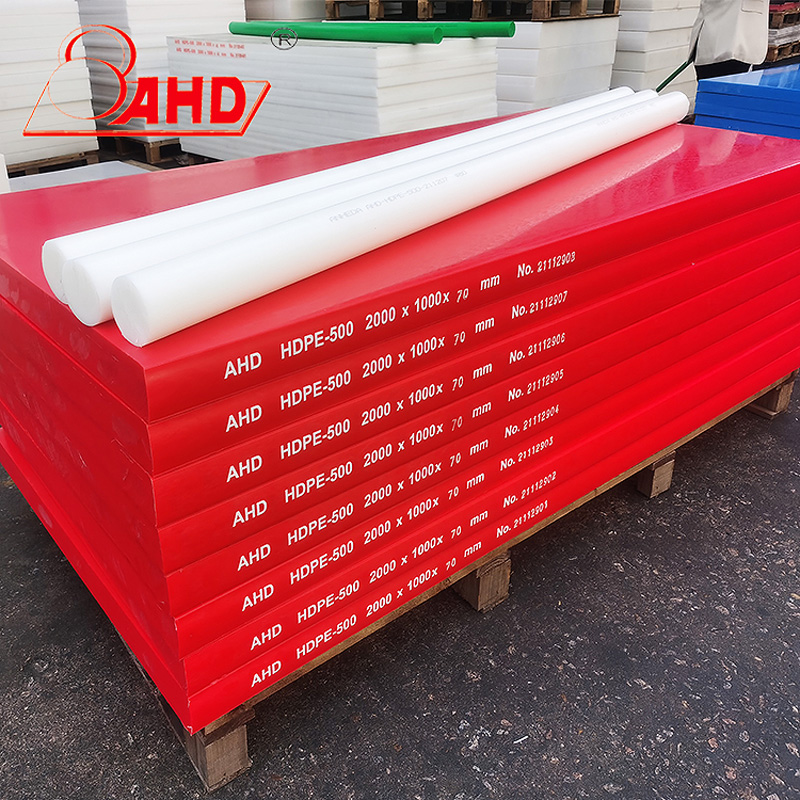
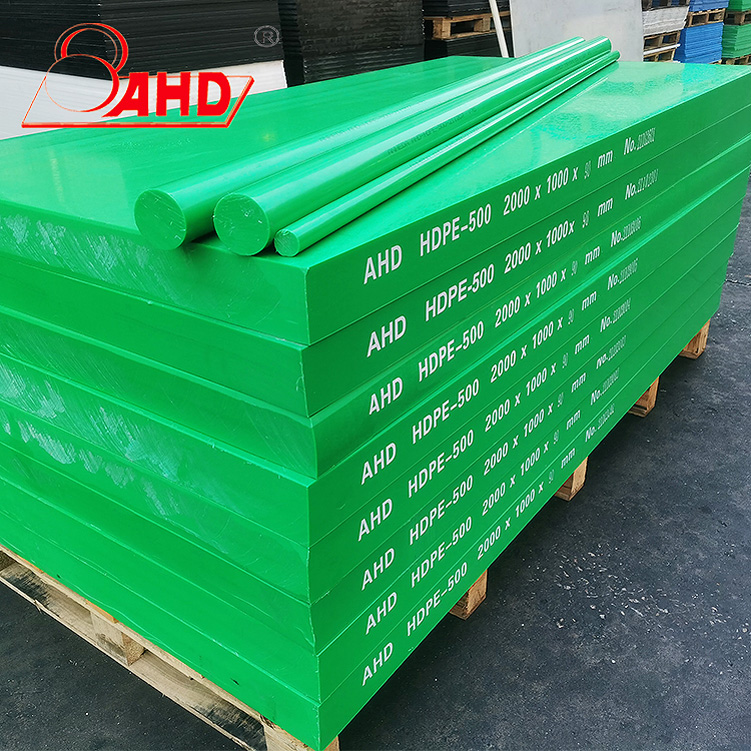
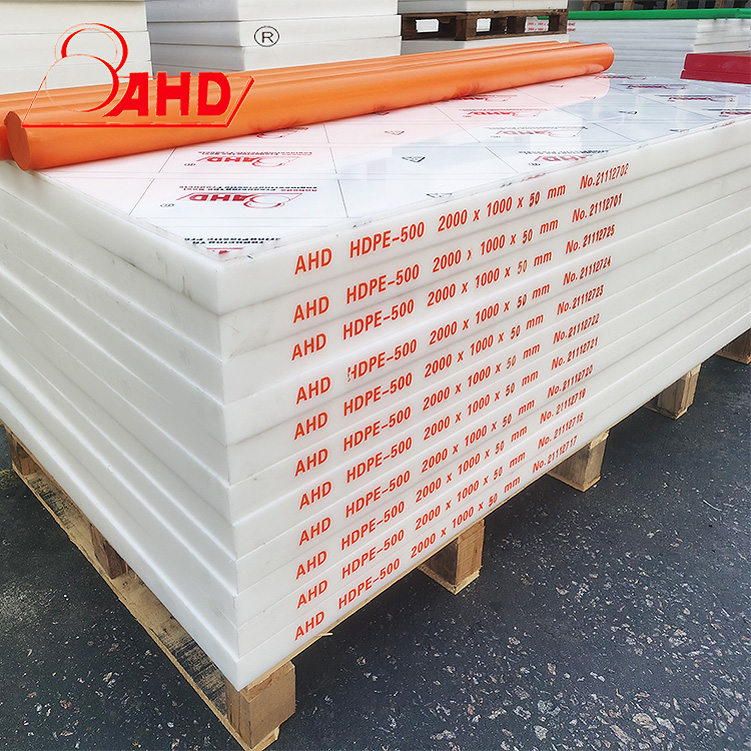
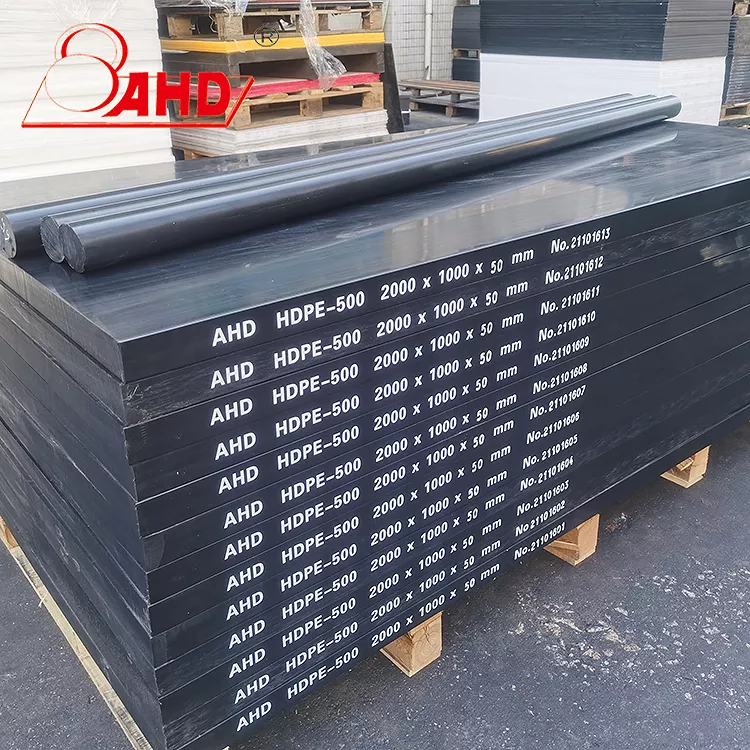
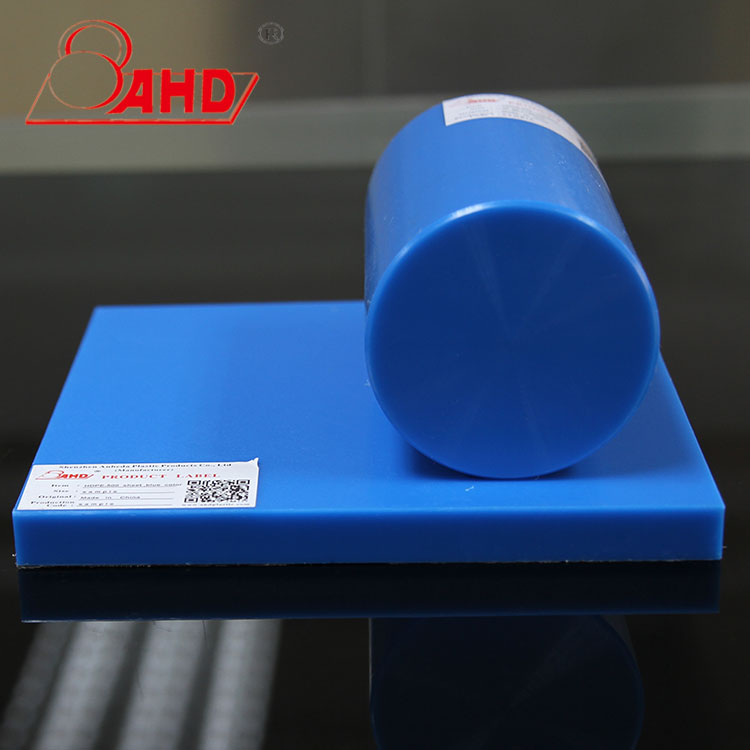
HDPE sheet, short for High - Density Polyethylene sheet, is a type of thermoplastic sheet renowned for its excellent combination of properties. HDPE is a polymer formed through the polymerization of ethylene monomers under specific conditions, resulting in a material with a high degree of crystallinity and a dense molecular structure. This unique composition endows HDPE sheets with a wide array of characteristics that make them suitable for numerous applications across various industries.
Composition and Manufacturing
HDPE is composed of long - chain polyethylene molecules with a relatively high density due to its linear structure and minimal branching. The manufacturing process of HDPE sheets typically involves extrusion. In this process, HDPE pellets are fed into an extruder. The extruder heats the pellets to a molten state, usually between 180 - 230°C (356 - 446°F). Once in a molten state, the material is forced through a die with a flat cross - section to form a continuous sheet.
After extrusion, the sheet is cooled. This can be achieved through air cooling or by passing the sheet through a water bath. The cooling process is crucial as it affects the final properties of the HDPE sheet, such as its crystallinity and dimensional stability. Some manufacturing processes may also involve additional steps like calendaring, which helps to further smooth and refine the surface of the sheet, and annealing, which can improve the material's internal structure and reduce stress.
Key Properties
High Strength and Rigidity
HDPE sheets exhibit high strength and rigidity. Their high - density structure gives them the ability to withstand significant stress and pressure without deforming easily. This property makes them suitable for applications where structural integrity is important, such as in the construction of storage tanks, bins, and pallets. For example, HDPE sheets can be used to construct large - capacity storage tanks that can hold various liquids or granular materials.
Chemical Resistance
HDPE sheets are highly resistant to a wide range of chemicals. They can withstand exposure to acids, alkalis, solvents, and many other corrosive substances. This chemical resistance is due to the non - polar nature of the polyethylene molecule, which makes it less reactive with most chemicals. As a result, HDPE sheets are commonly used in chemical processing plants, wastewater treatment facilities, and other industrial settings where contact with chemicals is inevitable. For instance, they can be used to line chemical storage tanks and pipelines to prevent corrosion.
Impact Resistance
Despite their rigidity, HDPE sheets also possess good impact resistance. They can absorb and dissipate energy from impacts, reducing the risk of cracking or breaking. This property makes them suitable for applications where the material may be subject to physical impacts, such as in the manufacturing of protective barriers, dock bumpers, and playground equipment. In playgrounds, HDPE sheets can be used to make slides and other equipment that can withstand the rough use by children.
Low Friction Coefficient
HDPE has a low coefficient of friction, which means it has a slippery surface. This property makes it useful in applications where sliding or low - friction movement is required. For example, in conveyor systems, HDPE sheets can be used as conveyor belts or as liners to reduce friction and improve the efficiency of material transfer. It also helps in the movement of materials in hoppers and chutes.
Moisture Resistance
HDPE sheets are highly resistant to moisture. They do not absorb water, which makes them suitable for applications where protection against moisture is needed. In construction, HDPE sheets can be used as a moisture barrier in buildings, preventing water from seeping into walls, floors, and foundations. They are also used in packaging applications to protect products from moisture damage.
UV Resistance (with Additives)
Although pure HDPE is not naturally highly UV - resistant, when formulated with appropriate UV - stabilizers, HDPE sheets can have good resistance to ultraviolet radiation. This makes them suitable for outdoor applications. For example, HDPE sheets can be used to make outdoor furniture, signage, and agricultural covers. The UV - resistant HDPE sheets can maintain their physical properties and appearance for extended periods when exposed to sunlight.

Applications
Construction Industry
In the construction industry, HDPE sheets have a wide range of applications. They are used in geomembranes for landfill liners, where their chemical and moisture resistance are crucial to prevent the leakage of harmful substances from landfills. HDPE sheets are also used for waterproofing basements, roofs, and retaining walls. Additionally, they can be used to construct lightweight and durable building components such as partitions and wall panels.
Packaging Industry
HDPE sheets are extensively used in the packaging industry. They are used to make packaging containers for various products, including food, chemicals, and consumer goods. The chemical resistance, moisture resistance, and impact resistance of HDPE sheets make them ideal for protecting products during storage and transportation. For example, HDPE sheets can be used to make bottles, jars, and trays for packaging.
Agriculture
In agriculture, HDPE sheets are used for various purposes. They can be used as agricultural covers to protect crops from the elements, such as hail, wind, and excessive sunlight. The UV - resistant HDPE sheets can also be used to make greenhouse covers, which help to regulate the temperature and humidity inside the greenhouse. Additionally, HDPE sheets are used to make irrigation pipes and storage tanks for agricultural chemicals.
Marine and Aquatic Applications
HDPE sheets are well - suited for marine and aquatic applications due to their excellent resistance to water, chemicals, and impact. They can be used to make boat hulls, dock fenders, and aquaculture cages. The low friction coefficient of HDPE also reduces the drag on boats, improving their fuel efficiency. In aquaculture, HDPE sheets are used to create a safe and durable environment for fish and other aquatic organisms.


Industrial Applications
In industrial settings, HDPE sheets are used in a variety of ways. They are used to line tanks, silos, and hoppers to prevent corrosion and improve the flow of materials. HDPE sheets are also used to make conveyor belts, wear - resistant parts, and protective linings. Their high strength, chemical resistance, and impact resistance make them suitable for use in harsh industrial environments.
In conclusion, HDPE sheets are a versatile and valuable material with a wide range of applications. Their unique combination of properties makes them an essential component in many industries. As technology continues to advance, the use of HDPE sheets is likely to expand, as they will continue to offer solutions to various engineering and design challenges.