What is Polypropylene Sheet
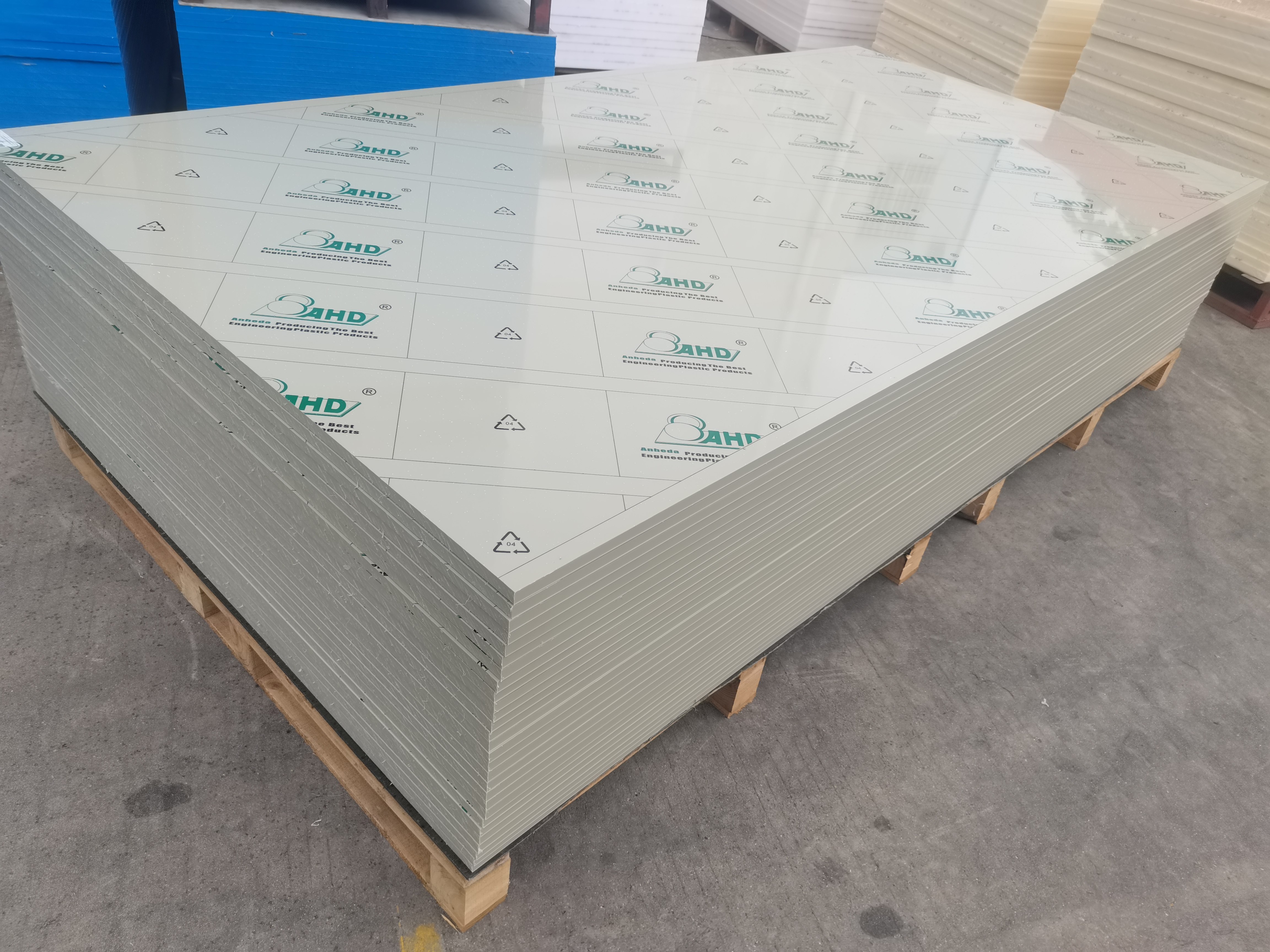
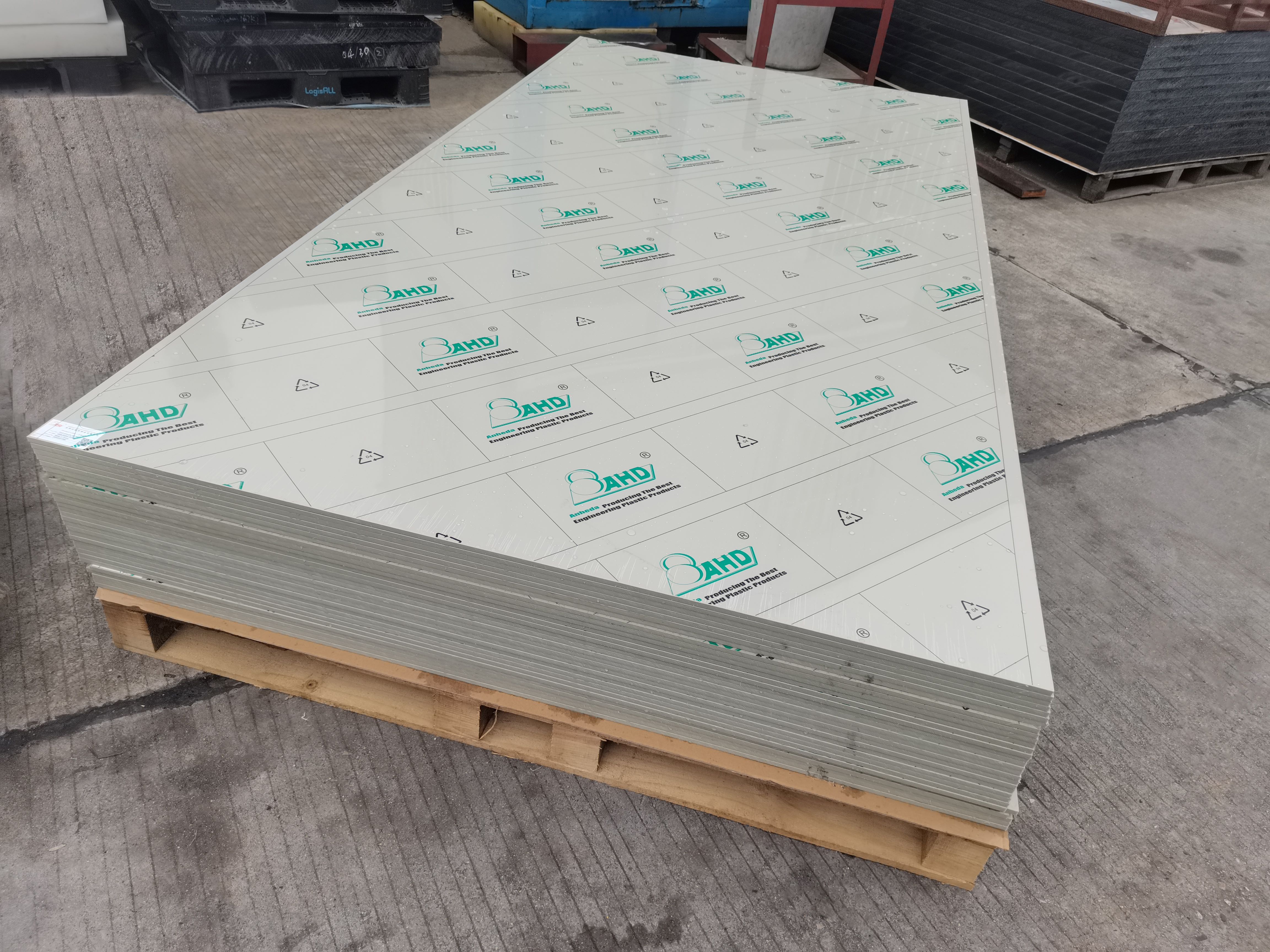
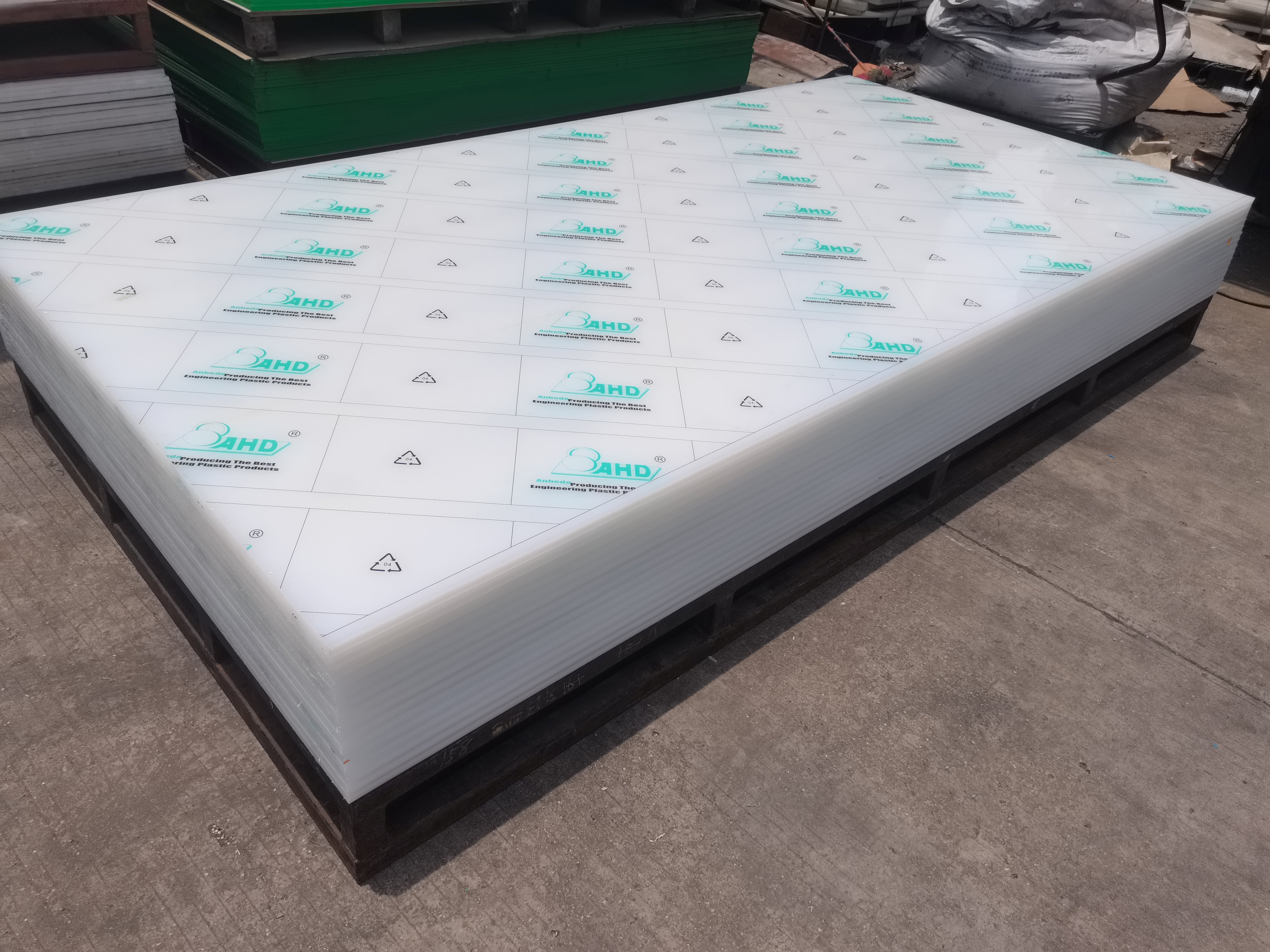
Polypropylene sheet is a type of thermoplastic sheet made from polypropylene, a versatile polymer known for its wide range of beneficial properties. Polypropylene is derived from the polymerization of propylene monomers, resulting in a material with distinct characteristics that make it suitable for numerous applications across various industries.
Composition and Manufacturing
Polypropylene is a linear, semi - crystalline thermoplastic polymer. Its molecular structure consists of long chains of propylene units, which can be arranged in an isotactic, syndiotactic, or atactic form. The isotactic form is the most common and commercially important due to its higher crystallinity, which contributes to better mechanical properties.
The manufacturing of polypropylene sheets typically involves processes such as extrusion, injection molding, and compression molding. In the extrusion process, polypropylene pellets are fed into an extruder. The extruder heats the pellets to a molten state, usually in the range of 180 - 260°C (356 - 500°F). The molten polypropylene is then forced through a die with a flat cross - section to form a continuous sheet. After extrusion, the sheet is cooled and solidified, often through air or water cooling, to achieve the desired thickness and physical properties.
In injection molding, the molten polypropylene is injected into a closed mold cavity under high pressure. The mold's shape determines the final form of the polypropylene sheet product. This method is suitable for producing complex - shaped and high - precision parts. Compression molding involves placing pre - formed polypropylene sheets or pellets between two heated molds. The molds are then compressed to shape and solidify the material into the desired sheet form.
Key Properties
Lightweight
One of the most notable features of polypropylene sheets is their lightweight nature. They are significantly lighter than many other materials, such as metals and some other plastics. This property makes them easy to handle, transport, and install. In applications where weight is a critical factor, such as in the automotive and aerospace industries, polypropylene sheets can offer advantages in terms of fuel efficiency and overall system performance.
Chemical Resistance
Polypropylene sheets exhibit good resistance to a wide range of chemicals. They can withstand exposure to acids, alkalis, and many organic solvents. This chemical resistance is due to the non - polar nature of the polypropylene molecule, which is less reactive with most chemicals. As a result, polypropylene sheets are commonly used in chemical processing plants, laboratories, and other industrial settings where contact with corrosive substances is likely. For example, they can be used to make chemical storage tanks, laboratory equipment, and protective linings.
Flexibility
Polypropylene sheets can be either rigid or flexible, depending on their formulation and processing. The flexible polypropylene sheets have good elasticity and can be bent or stretched without breaking. This property makes them suitable for applications such as packaging, where they can be formed into various shapes to fit different products. Rigid polypropylene sheets, on the other hand, offer good structural integrity and can be used for applications that require more strength and stability, such as in furniture and construction.
Thermal Resistance
Polypropylene has a relatively high melting point compared to some other plastics, typically around 160 - 170°C (320 - 338°F). This gives polypropylene sheets a certain degree of thermal resistance. They can withstand moderate heat without significant deformation or degradation. However, their thermal performance may be affected by prolonged exposure to high temperatures. In applications where heat resistance is required, such as in food packaging and some industrial processes, polypropylene sheets can be a suitable choice.
Electrical Insulation
Polypropylene sheets are excellent electrical insulators. They have a high electrical resistivity, which means they can prevent the flow of electric current. This property makes them useful in the electronics industry, where they can be used to make electrical insulation components, such as circuit board holders, cable insulation, and electrical enclosures.
Hygienic and Non - Toxic
Polypropylene is a hygienic and non - toxic material. It is approved for use in food contact applications, making polypropylene sheets suitable for food packaging, storage containers, and food processing equipment. The material does not leach harmful substances into food products, ensuring food safety.
Applications
Packaging Industry
The packaging industry is one of the major consumers of polypropylene sheets. They are used to make a wide variety of packaging products, including trays, boxes, bags, and wrapping films. The lightweight, flexibility, and chemical resistance of polypropylene sheets make them ideal for protecting and containing various products during storage and transportation. For example, polypropylene trays are commonly used for packaging fruits, vegetables, and bakery items, while polypropylene bags are used for packaging grains, powders, and other dry goods.
Automotive Industry
In the automotive industry, polypropylene sheets are used in various applications. They can be used to make interior components such as dashboard panels, door trims, and seat covers. The lightweight nature of polypropylene helps to reduce the overall weight of the vehicle, improving fuel efficiency. Additionally, polypropylene's resistance to chemicals and wear makes it suitable for use in automotive applications. For example, polypropylene sheets can be used to make battery trays, which need to be resistant to the corrosive effects of battery acid.
Construction Industry
In the construction industry, polypropylene sheets are used for several purposes. They can be used as a vapor barrier in buildings to prevent the passage of moisture. Polypropylene sheets are also used to make formwork for concrete structures. Their lightweight and easy - to - handle nature make them convenient for construction workers. Additionally, polypropylene can be used to make roofing membranes, which offer good weather resistance and durability.
Medical Industry
The medical industry makes use of polypropylene sheets due to their hygienic and non - toxic properties. They are used to make medical packaging, such as sterile trays and pouches for medical devices. Polypropylene sheets are also used in the manufacturing of disposable medical equipment, such as syringes, infusion sets, and surgical drapes. The material's ability to be sterilized easily makes it suitable for medical applications.
Consumer Goods
Polypropylene sheets are widely used in the production of consumer goods. They can be used to make furniture, such as chairs and tables, where their lightweight and durability are advantages. Polypropylene is also used in the manufacturing of household items, such as storage containers, laundry baskets, and kitchenware. The material's resistance to stains and scratches makes it suitable for these applications.
In conclusion, polypropylene sheets are a versatile and valuable material with a wide range of applications. Their unique combination of properties makes them suitable for use in various industries, from packaging and automotive to construction and medical. As technology continues to evolve, the applications of polypropylene sheets are likely to expand further, meeting the changing needs of different sectors.