What is HDPE Rod
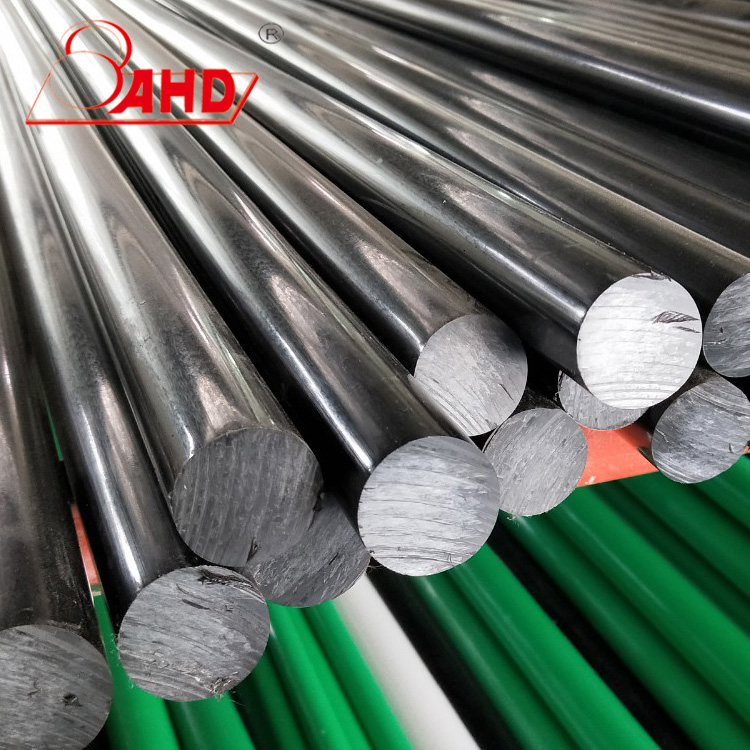
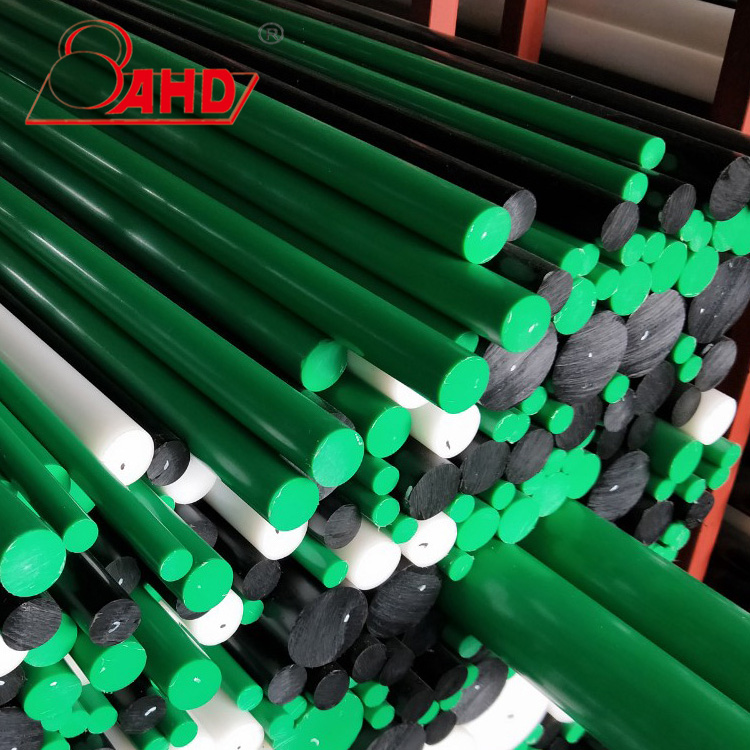
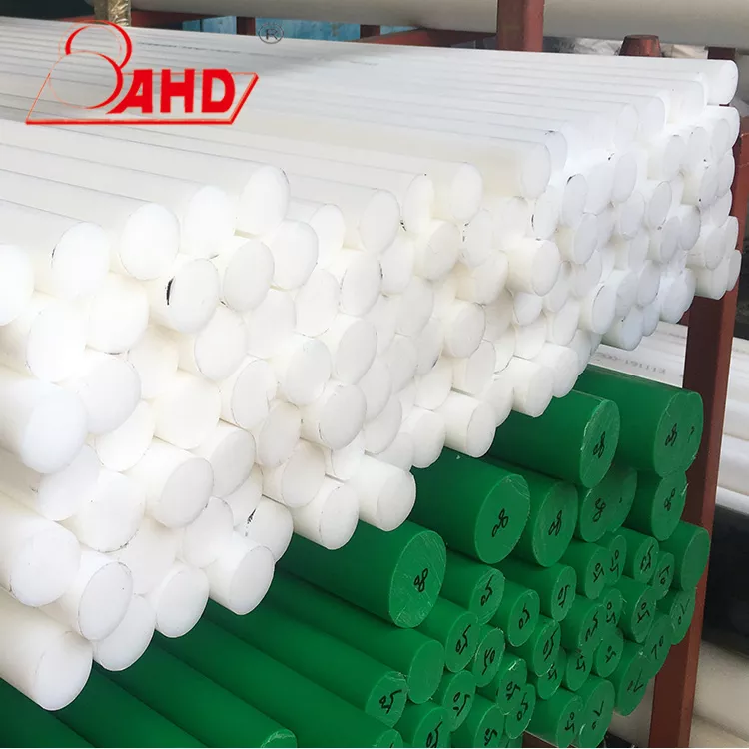
HDPE rod, short for High - Density Polyethylene rod, is a widely used solid cylindrical product made from high - density polyethylene, a thermoplastic polymer. HDPE is renowned for its excellent combination of properties, which make HDPE rods suitable for a diverse range of applications across multiple industries.
Composition and Manufacturing
HDPE is composed of long - chain polyethylene molecules with a high degree of crystallinity. This is achieved through the polymerization of ethylene monomers under specific conditions, resulting in a linear structure with minimal branching. The high density of the material is a consequence of its tightly packed molecular arrangement.
The manufacturing process of HDPE rods typically involves extrusion. In this process, HDPE pellets are fed into an extruder. The extruder heats the pellets to a molten state, usually in the temperature range of 180 - 230°C (356 - 446°F). Once in a molten state, the material is forced through a die with a circular cross - section. This die shapes the molten HDPE into a continuous rod.
After extrusion, the rod is cooled to solidify it. Cooling can be accomplished through air cooling or by passing the rod through a water bath. The rate of cooling can affect the final properties of the HDPE rod, such as its crystallinity and dimensional stability. Some manufacturing processes may also include additional steps like annealing, which helps to relieve internal stresses and improve the overall quality of the rod.
Key Properties
High Strength and Rigidity
HDPE rods possess high strength and rigidity. Their molecular structure enables them to withstand significant mechanical stress and pressure without deforming easily. This property makes them suitable for applications where structural integrity is crucial. For example, in the construction of industrial equipment, HDPE rods can be used to fabricate support structures, shafts, and brackets that need to bear heavy loads.
Chemical Resistance
HDPE rods are highly resistant to a wide variety of chemicals. They can endure exposure to acids, alkalis, solvents, and many other corrosive substances. This is due to the non - polar nature of the polyethylene molecule, which is less reactive with most chemicals. As a result, HDPE rods are commonly used in chemical processing plants, laboratories, and other industrial settings. They can be used to make components such as pipes, valves, and fittings that come into contact with chemicals.
Impact Resistance
Despite their rigidity, HDPE rods have good impact resistance. They can absorb and dissipate energy from impacts, reducing the risk of cracking or breaking. This property makes them suitable for applications where the material may be subject to physical impacts. For instance, in the automotive industry, HDPE rods can be used in the manufacturing of bumper components, where they need to withstand collisions.
Low Friction Coefficient
HDPE has a low coefficient of friction, which means it has a slippery surface. This property is beneficial in applications where smooth movement or reduced friction is required. In conveyor systems, HDPE rods can be used as rollers or guide rails to facilitate the movement of materials. The low friction also helps to reduce wear and tear on the components, increasing the lifespan of the equipment.
Moisture Resistance
HDPE rods are highly resistant to moisture. They do not absorb water, which makes them suitable for applications where protection against moisture is necessary. In outdoor construction projects, HDPE rods can be used without the risk of corrosion or degradation due to moisture. They can also be used in marine applications, such as in the construction of boat components, where they need to withstand exposure to water.
UV Resistance (with Additives)
Although pure HDPE is not naturally highly UV - resistant, when formulated with appropriate UV - stabilizers, HDPE rods can have good resistance to ultraviolet radiation. This makes them suitable for outdoor applications. For example, HDPE rods can be used to make outdoor furniture, signage supports, and agricultural structures. The UV - resistant HDPE rods can maintain their physical properties and appearance for extended periods when exposed to sunlight.
Applications
Construction Industry
In the construction industry, HDPE rods are used in various ways. They can be used as structural components in buildings, such as in the construction of lightweight partitions and support frames. HDPE rods' high strength, moisture resistance, and chemical resistance make them suitable for these applications. They can also be used for making electrical conduits, where their electrical insulation properties and durability are important.
Automotive Industry
As mentioned earlier, the automotive industry uses HDPE rods in the manufacturing of bumper components. Additionally, HDPE rods can be used in the interior of vehicles. For example, they can be used to make door handles, gearshift knobs, and other interior parts. The low friction coefficient and durability of HDPE make these components comfortable to use and long - lasting.
Industrial Applications
In industrial settings, HDPE rods are used for a wide range of purposes. They are used to make rollers, pulleys, and bearings in conveyor systems. Their high abrasion resistance and low friction coefficient make them ideal for these applications. HDPE rods can also be used to fabricate chemical storage tanks, pipes, and fittings due to their excellent chemical resistance.
Agriculture
In the agricultural sector, HDPE rods are used for various applications. They can be used to make irrigation pipes, which are durable and resistant to corrosion. HDPE rods can also be used to construct agricultural structures such as greenhouses, fences, and trellises. The UV - resistant HDPE rods are particularly useful in these outdoor applications.
Marine Industry
The marine industry benefits from the properties of HDPE rods. They can be used to make boat deck fittings, railings, and other components. The moisture resistance and impact resistance of HDPE rods make them suitable for use in a marine environment, where they are constantly exposed to water and waves.
In conclusion, HDPE rods are a versatile and valuable material with a wide range of applications. Their unique combination of properties makes them an essential component in many industries. As technology continues to evolve, the applications of HDPE rods are likely to expand, meeting the diverse needs of different sectors.