What is Polyurethane Sheet
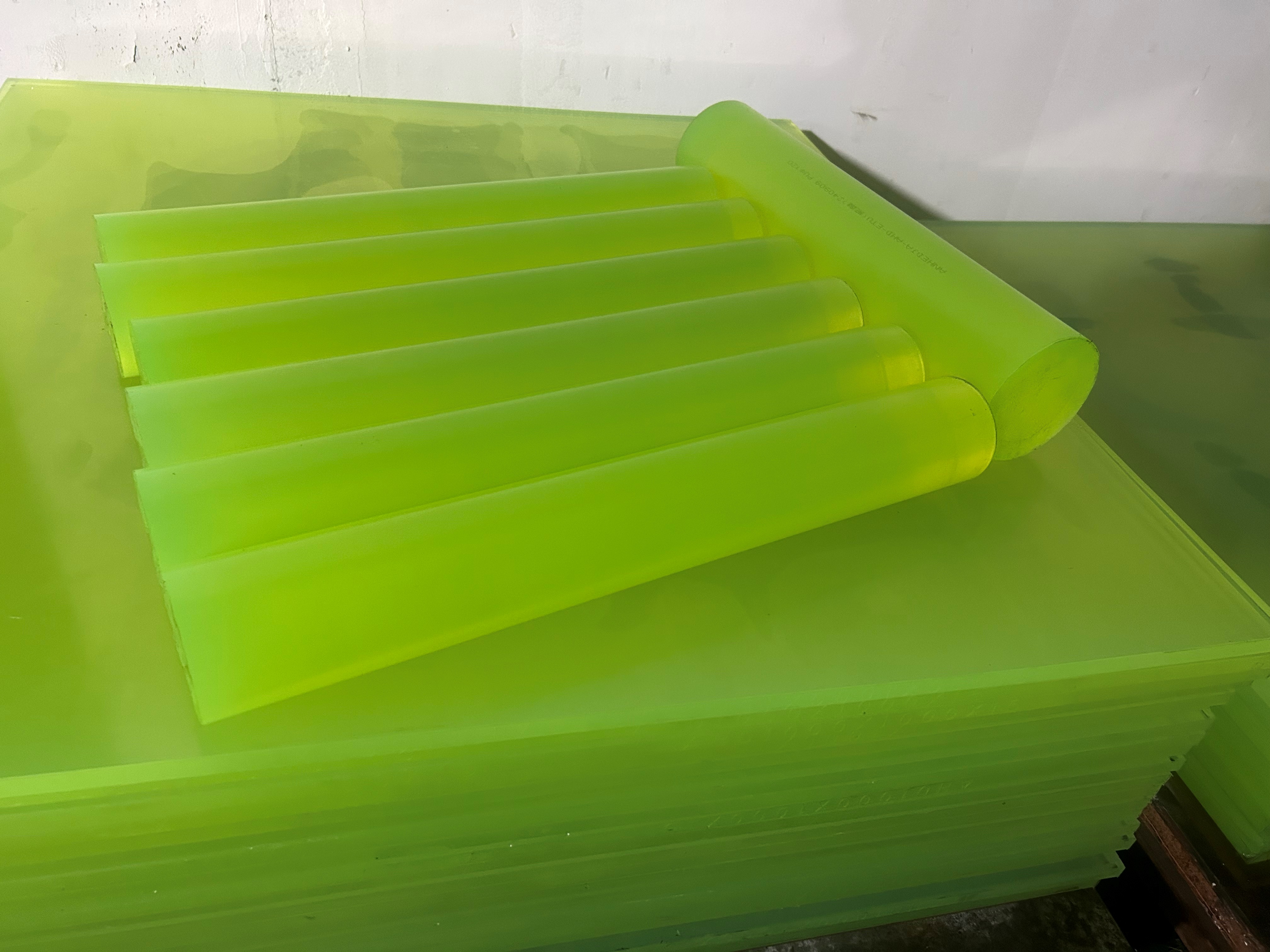
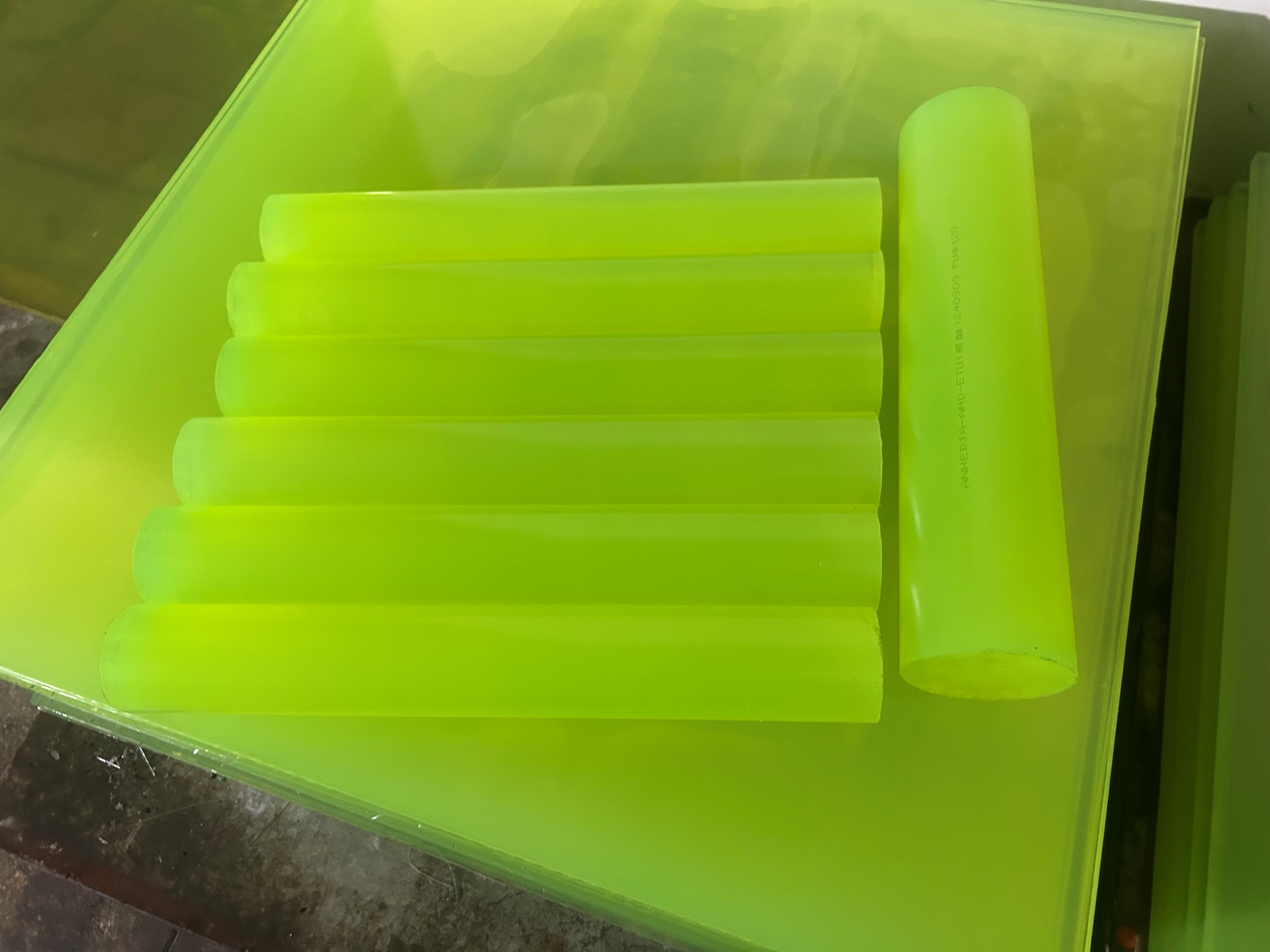
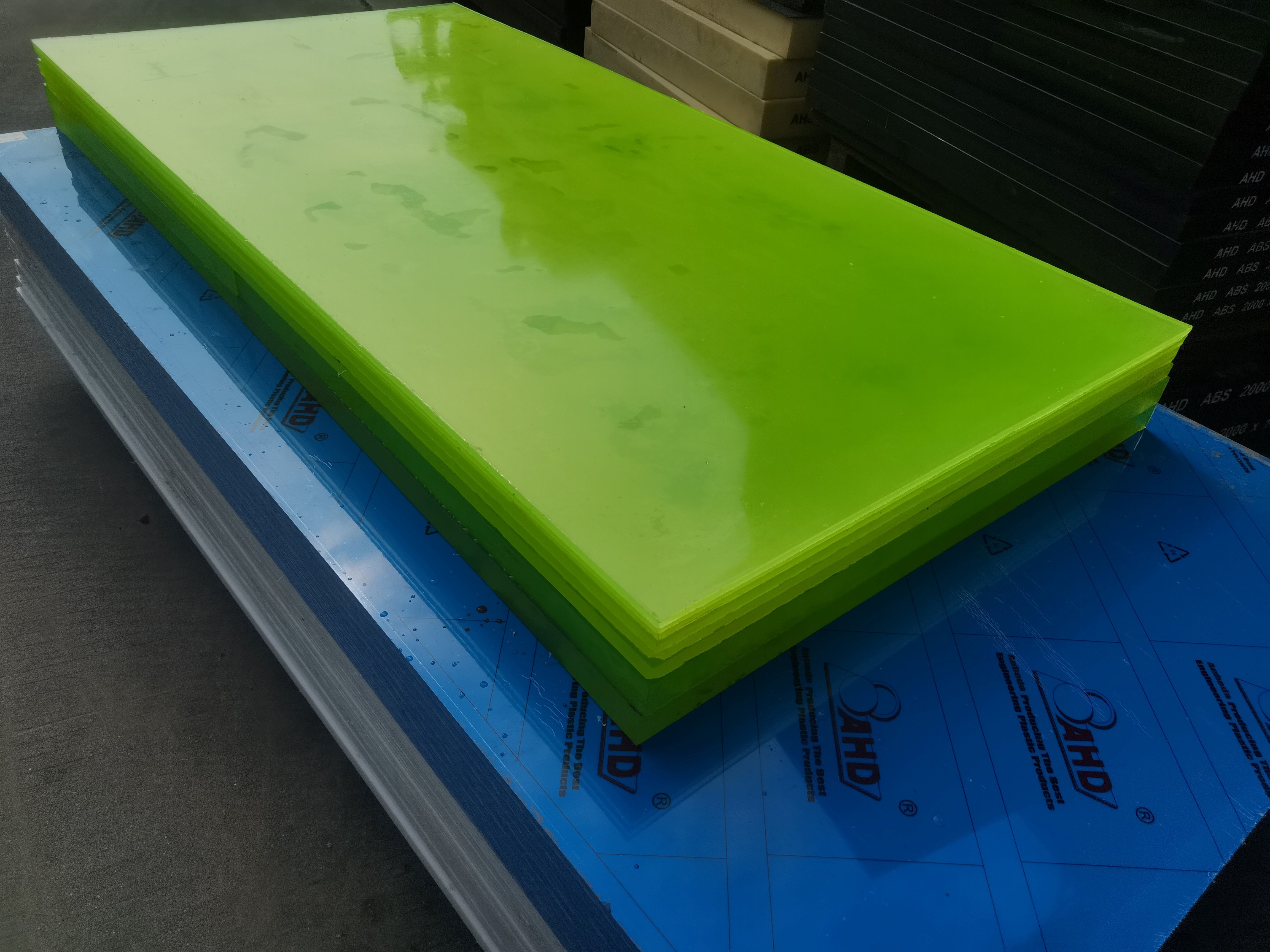
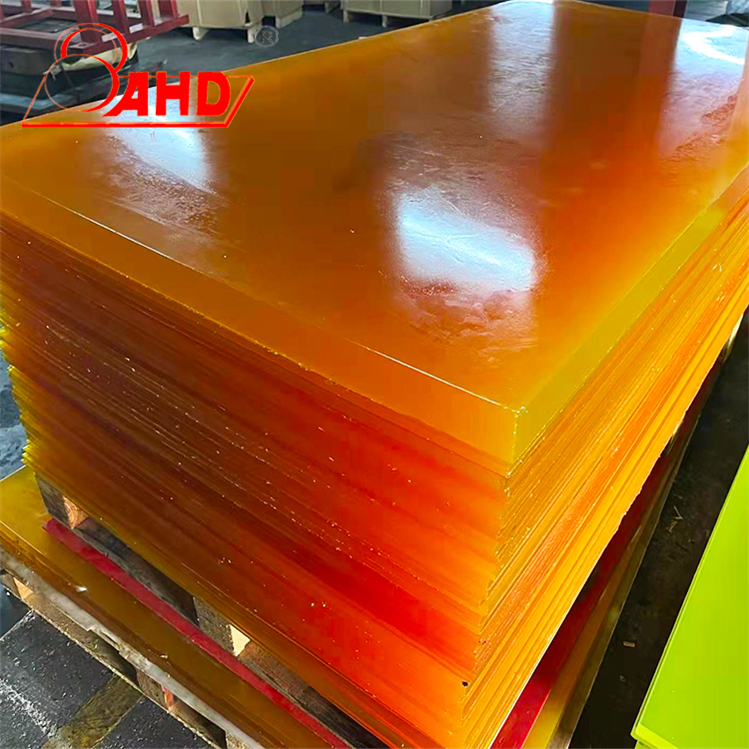
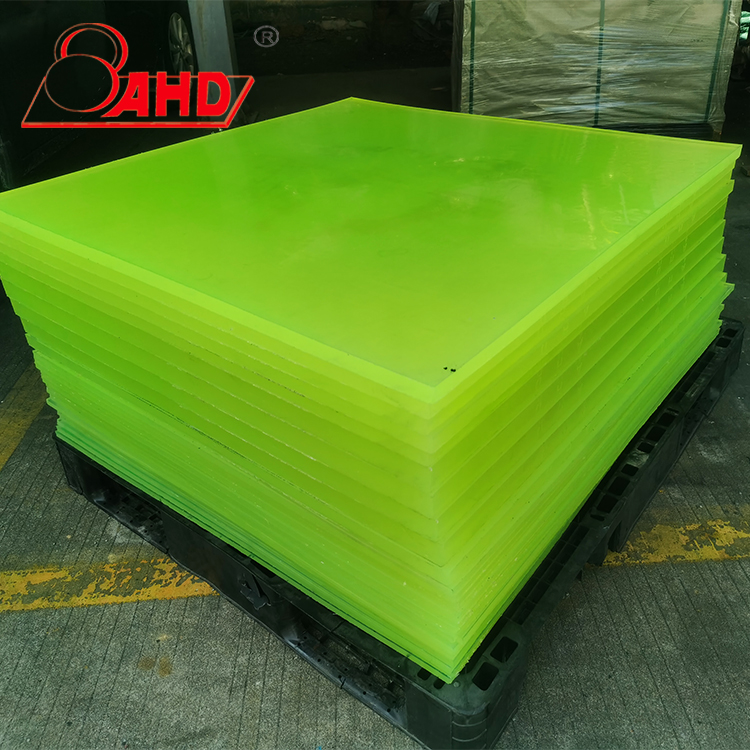
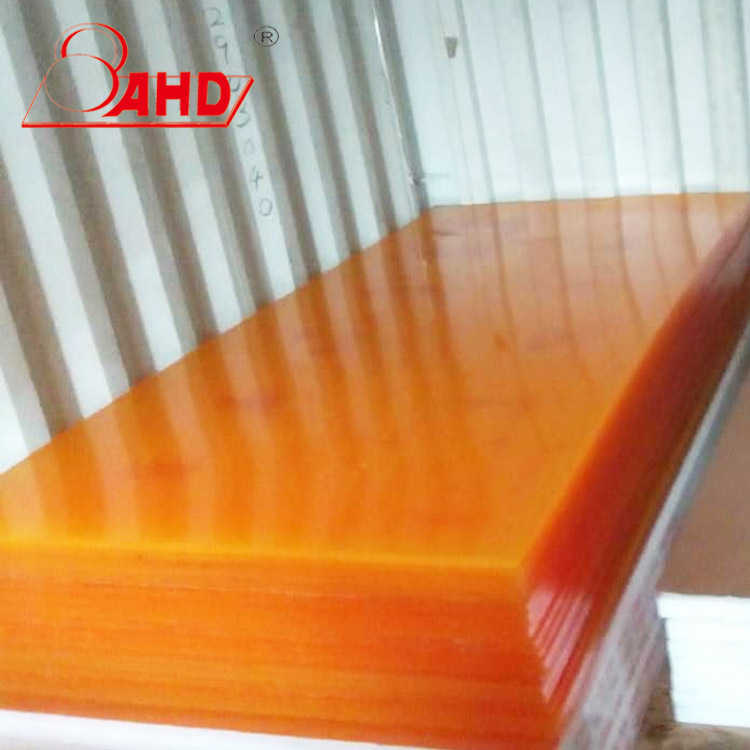
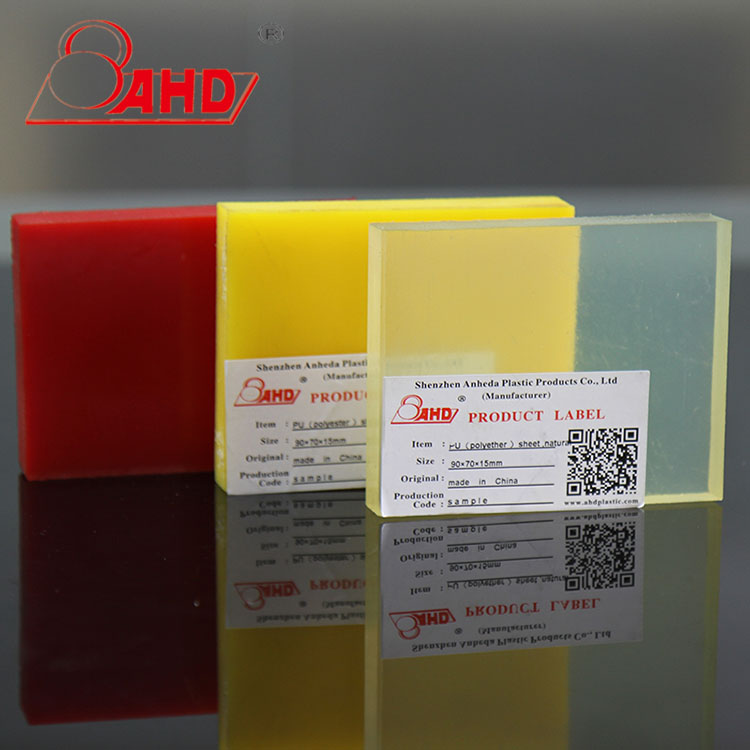
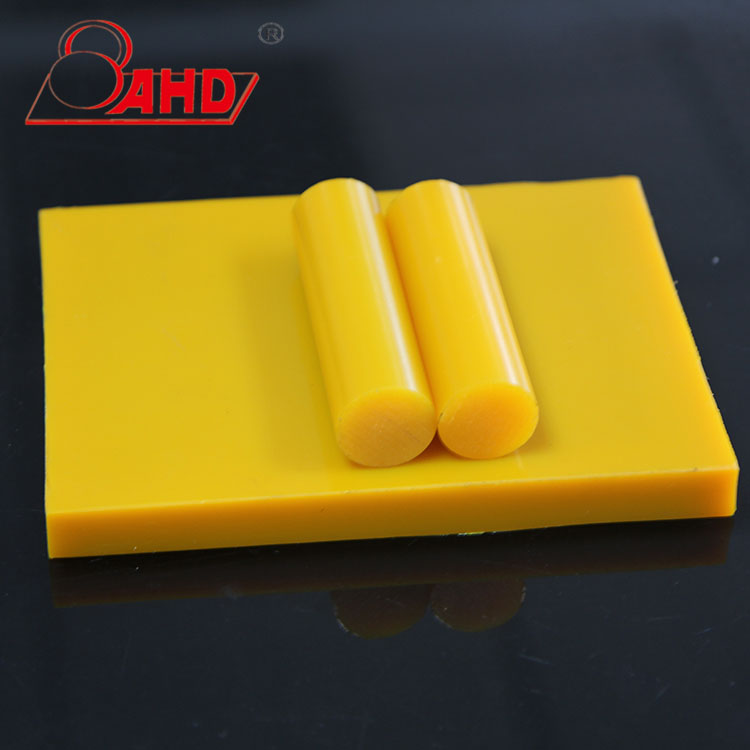
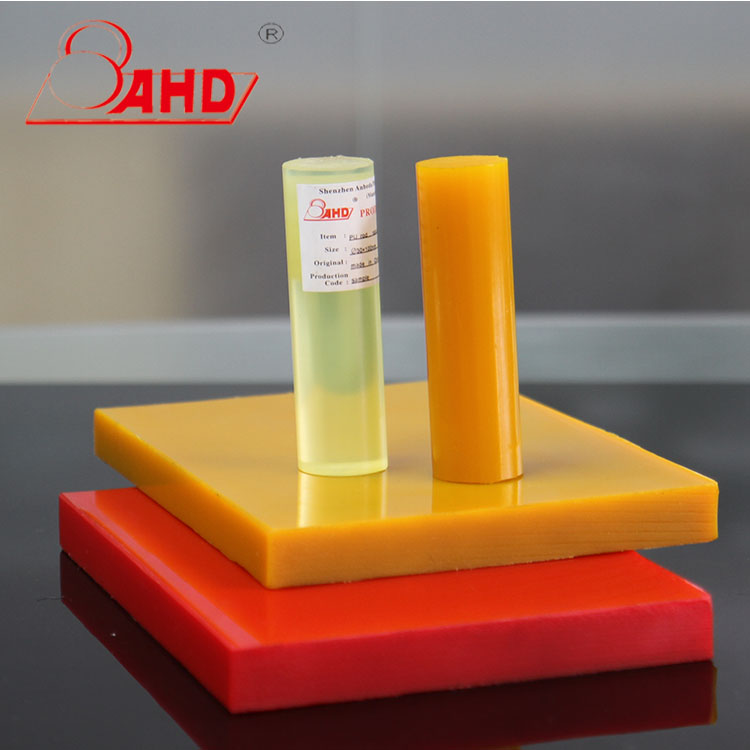
Polyurethane sheet is a type of synthetic material that has gained significant popularity in various industries due to its unique combination of properties. Polyurethane, often abbreviated as PU, is a versatile polymer formed by the reaction of polyols (alcohols with multiple hydroxyl groups) and isocyanates. When processed into sheets, it offers a wide range of characteristics that make it suitable for numerous applications.
Composition and Manufacturing
The manufacturing of polyurethane sheets begins with the selection of appropriate polyols and isocyanates. The type and ratio of these components play a crucial role in determining the final properties of the polyurethane sheet. Polyols can vary in molecular structure, functionality, and molecular weight, which in turn affects the flexibility, hardness, and other properties of the resulting polymer.
Isocyanates, on the other hand, are highly reactive compounds that react with the hydroxyl groups of polyols in a process called polymerization. This reaction forms a cross - linked network of polyurethane chains, giving the material its characteristic strength and durability.
There are several methods for manufacturing polyurethane sheets. One common method is the casting process. In this process, a mixture of polyols and isocyanates, along with any necessary additives such as catalysts, fillers, and pigments, is poured into a mold. The mold is then left to cure at a specific temperature and for a certain period of time. During the curing process, the chemical reaction between the polyols and isocyanates occurs, resulting in the formation of a solid polyurethane sheet.
Another method is extrusion. In extrusion, the polyurethane mixture is heated and forced through a die with a specific cross - section to form a continuous sheet. This method is suitable for producing large quantities of polyurethane sheets with consistent thickness and quality.
Key Properties
High Strength and Durability
Polyurethane sheets are known for their high strength and durability. They can withstand significant stress and pressure without breaking or deforming easily. This makes them suitable for applications where long - term performance and reliability are required. For example, in industrial flooring, polyurethane sheets can be used to create a tough and durable surface that can withstand heavy traffic, machinery, and chemical spills.
Excellent Abrasion Resistance
Polyurethane has excellent abrasion resistance. It can resist wear and tear from friction, making it ideal for applications where the material is in constant contact with other surfaces. In conveyor belts, for instance, polyurethane sheets can be used to provide a long - lasting and reliable surface that can transport materials without getting damaged easily.
Chemical Resistance
Polyurethane sheets exhibit good resistance to a variety of chemicals. They can withstand exposure to many solvents, acids, and alkalis. This property makes them suitable for use in chemical processing plants, laboratories, and other industrial settings where contact with corrosive substances is common. However, the chemical resistance of polyurethane can vary depending on the specific formulation and the type of chemical.
Flexibility
Polyurethane sheets can be formulated to be either flexible or rigid. Flexible polyurethane sheets have excellent elasticity and can be bent, stretched, or compressed without breaking. This makes them suitable for applications such as gaskets, seals, and shock absorbers. Rigid polyurethane sheets, on the other hand, offer high structural integrity and are used for applications such as insulation panels and building components.
Thermal Insulation
Polyurethane is a good thermal insulator. It has a low thermal conductivity, which means it can prevent the transfer of heat. This property makes polyurethane sheets suitable for applications where thermal insulation is required, such as in building insulation, refrigeration units, and automotive interiors.
Adhesion
Polyurethane has good adhesion properties. It can bond well to a variety of materials, including metals, plastics, and wood. This makes it useful for applications such as laminating, coating, and bonding different materials together.
Applications
Construction
In the construction industry, polyurethane sheets are used for a variety of purposes. They are used as insulation materials in walls, roofs, and floors to reduce heat transfer and improve energy efficiency. Polyurethane sheets can also be used as waterproofing membranes to prevent water leakage. Additionally, they can be used to make decorative panels and moldings, adding aesthetic value to buildings.
Automotive
In the automotive industry, polyurethane sheets are used in various applications. They are used to make interior components such as seat cushions, headrests, and door panels. The flexibility and comfort of polyurethane make it an ideal material for these applications. Polyurethane sheets are also used in the exterior of vehicles, such as in bumpers and body kits, where their strength and durability are important.
Furniture
Polyurethane sheets are widely used in the furniture industry. They can be used to make cushions, upholstery, and protective coatings for furniture. The softness and comfort of polyurethane make it suitable for use in seating, while its abrasion resistance and chemical resistance make it a good choice for protecting furniture surfaces.
Packaging
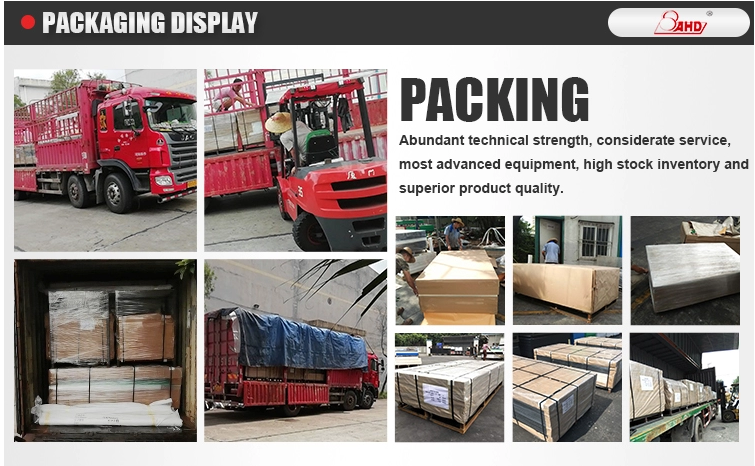
In the packaging industry, polyurethane sheets are used to protect delicate products during transportation and storage. They can be used to make custom - shaped foam inserts that fit the product precisely, providing cushioning and shock absorption. Polyurethane sheets are also used to make packaging films and coatings to protect products from moisture, chemicals, and physical damage.
Industrial
In industrial applications, polyurethane sheets are used in a variety of ways. They are used to make conveyor belts, rollers, and other equipment parts that require high abrasion resistance. Polyurethane sheets can also be used as linings for tanks and pipes to prevent corrosion. Additionally, they are used in the manufacturing of molds and dies, where their high strength and dimensional stability are important.
In conclusion, polyurethane sheets are a versatile and valuable material with a wide range of applications. Their unique combination of properties makes them suitable for use in various industries, from construction and automotive to furniture and packaging. As technology continues to advance, the applications of polyurethane sheets are likely to expand further, meeting the evolving needs of different sectors.